
Mouth Guard
Types of Mouth Guards
Stock
These come pre-formed and ready to wear. These guards often do not fit well and can feel bulky in the mouth, making breathing and speaking difficult. Poorly-fitting mouthguards are less effective at absorbing impact forces and preventing injury.
Boil and Bite
These are readily available in sports equipment stores or drugstores and fit slightly better than stock guards. This type of mouthguard is softened in boiling water for a few minutes and then moulded over the teeth. The comfort level is similar to stock guards.
Custom-fitted, professionally made
At Elite Dental Group, we use the TRIOS Intra Oral scanner to get the most accurate scan of your teeth for custom mouthguards. They can be a bit more expensive, but offer the best fit and highest level of protection. Some types can even enhance your athletic performance by stabilising your core muscles as you clench down on the guard during moments of strain.
These professional mouthguards can also be customised with your name, jersey colour or even your sports team logo!
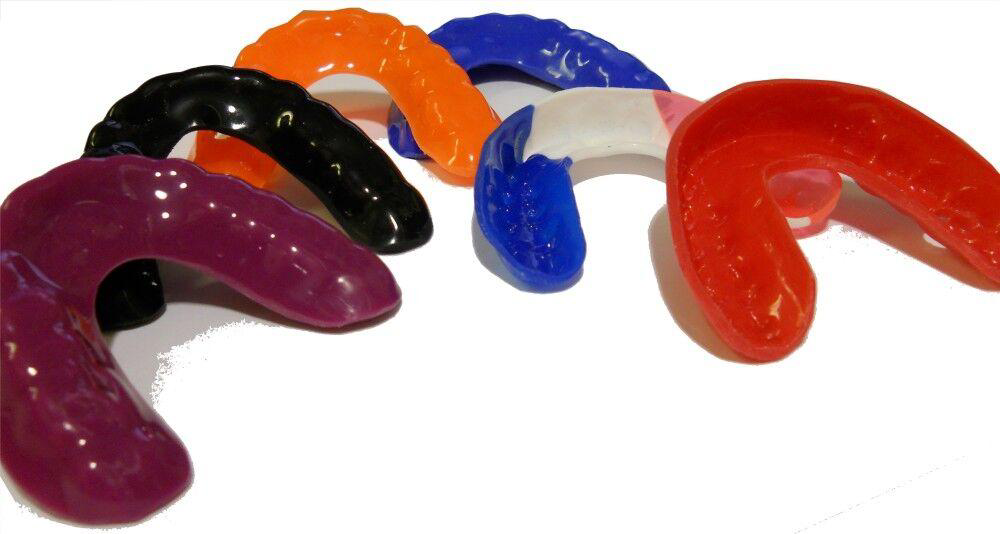
Impact to your face or mouth during sports or recreational activities can crack or break teeth, dislodge teeth completely or even fracture the jawbones.
Benefits of Using A Mouthguard
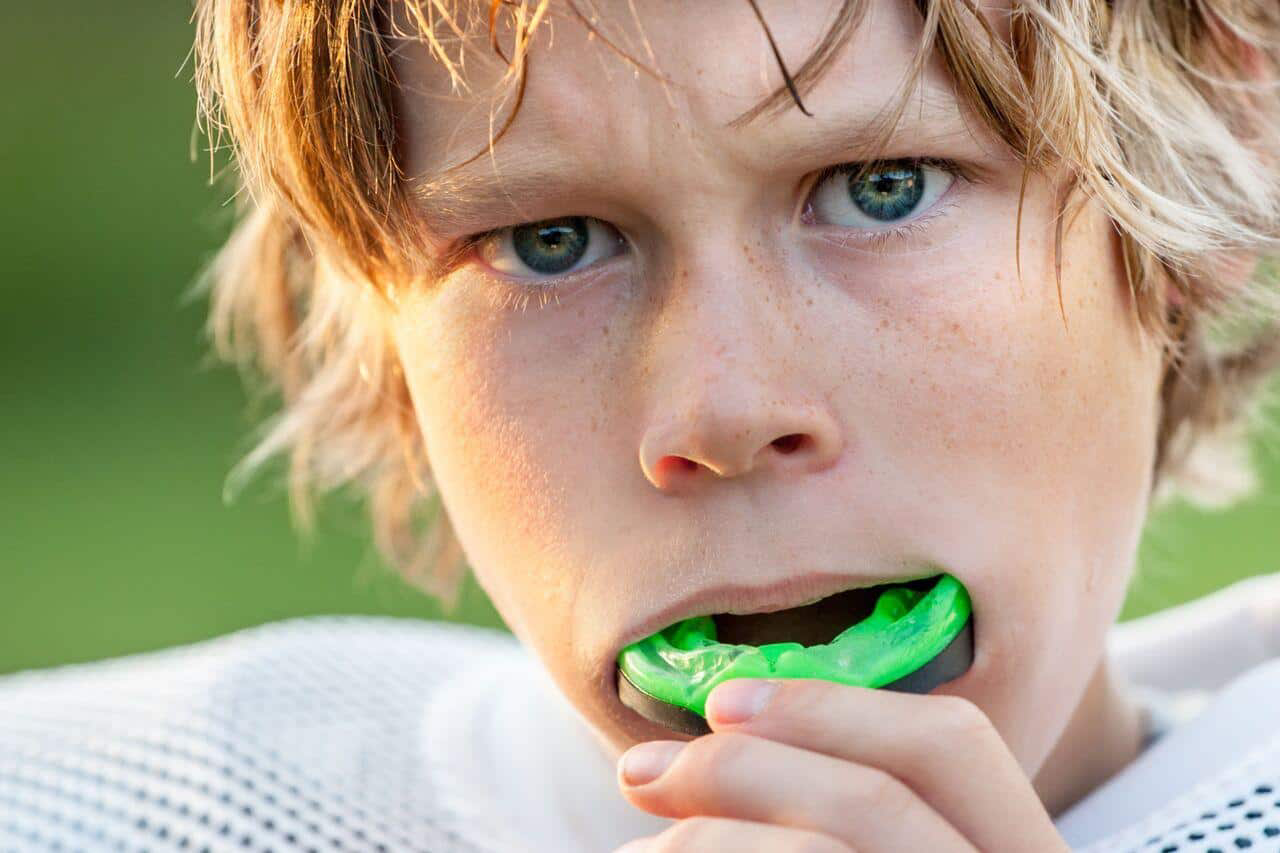
Mouth guards prevent traumatic dental injuries by absorbing the shock and dissipating it. Mouth guards should be considered an essential piece of athletic equipment especially for high impact contact sports. These include Rugby, Basketball, MMA, Muay Thai, Kickboxing, Judo etc.
When accidents happen and there is severe trauma to teeth, it can be very expensive and uncomfortable to treat. Whilst personal accident insurance plans can be activated to defray the high cost of rehabilitation in such cases, prevention by wearing a mouthguard is much better than a cure.
Frequently
Asked
Questions
Got questions? We’ve got answers! Check out our FAQ section for common inquiries and helpful information to guide you.
What is a mouth guard?
A mouth guard is a resilient protective device placed inside the mouth to prevent injuries to the teeth, lacerations, and jaw fractures. Mouth guards work by dissipating the force of impact, thus reducing the force transferred to the dentition and surrounding structures. They are designed to prevent violent contact between the upper and lower teeth and protect against orofacial trauma during sports and other activities.
Mouth guards can also serve therapeutic purposes. Occlusal splints are specially designed mouth guards used to manage temporomandibular disorders (TMD) and bruxism (teeth grinding), helping to protect teeth from clenching and potential fracture or attrition.
Can mouth guards help with teeth grinding (bruxism)?
Yes, occlusal splints (specialized mouth guards) are commonly used to manage bruxism and protect teeth from grinding. These devices are designed to protect teeth from jaw clenching and potential tooth fracture or attrition. Occlusal splints are generally classified as stabilization, reflex, or repositioning splints.
What are the advantages of custom-made mouth guards over stock mouth guards?
Custom-made mouth guards offer superior fit, comfort, protection, and retention compared to stock or boil-and-bite mouth guards. Custom-fabricated mouth guards are made from impressions of your teeth, ensuring optimal fit and comfort without impairing athletic performance.
Stock mouth guards are considered inferior and their use is discouraged. Custom mouth guards also allow for better breathing and speaking compared to poorly fitting alternatives. The combination of increased thickness and inserts of varying stiffness offers the best protection capacities.
How should I care for and clean my mouth guard?
Proper cleaning after each use is essential to prevent bacterial contamination and maintain oral health. Rinsing the mouth guard with cold tap water after use removes approximately 91% of deposited proteins, while cleaning with an effervescent tablet removes about 99%. Both methods are effective strategies for removing proteins deposited on sport mouth guards.
For more thorough disinfection, studies show that hydrogen peroxide, 0.5% sodium hypochlorite, and specialized mouth guard cleaning solutions provide optimal disinfection. Ultrasonic cleaning with chlorhexidine mouthwash has been shown to be particularly effective in reducing microbial contamination. Brushing with fluoride toothpaste or chlorhexidine is also effective.
How often should I replace my mouth guard?
Mouth guards should be regularly replaced, especially for children who are still growing. It is generally recommended that adult players replace their mouth guards at least every 2 years. For children and adolescents, mouth guards should be replaced more frequently as their teeth and jaws develop.
Additionally, mouth guards should be replaced if they show signs of wear, damage, or no longer fit properly. Regular dental check-ups can help determine when replacement is necessary. Athletes should inspect their mouth guards regularly for tears, holes, or changes in fit that might compromise protection.
HOW CAN WE
HELP?
Heading to a dental clinic can be a scary and almost overwhelming experience. If you have landed on our website, we would like to extend our warmest welcome to you and your family. There is nothing to fear!
If you require more information about our costs or are looking for ways to save money on dental treatments, arrange for a consultation with our dentists at a time of your convenience.
 Elite Dental Group