Key Takeaways
- Brown stains can develop on your teeth due to everyday habits, plaque build-up, tooth decay, or changes within the tooth itself.
- Surface stains tend to be uneven and widespread, whereas localised or single-tooth discolouration may indicate deeper issues.
- Signs such as sensitivity, sudden colour changes, or spots on specific teeth may require closer assessment.
- Treatment depends on the cause, ranging from professional cleaning and whitening to restorative options for more stubborn or structural discolouration.
- Consistent habits, along with regular dental visits, can help prevent staining from becoming more noticeable or difficult to manage over time.
Introduction
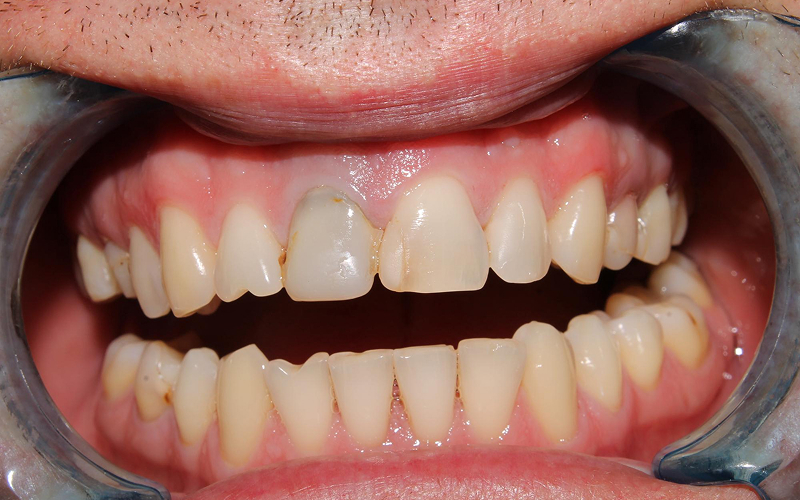
Seeing brown discolouration on your teeth can be confusing, especially when your oral hygiene routine has not changed. The staining may appear uneven, affect specific areas, or become more noticeable over time.
Brown stains on your teeth can result from several factors. Some are related to everyday habits and affect the surface, while others may involve bigger changes within the tooth. In this article, we break down the common causes, how to tell them apart, and when it may be worth seeking professional advice.
Common Causes of Tooth Discolouration
1. External Stains From Daily Habits
Beverages like coffee, tea, and red wine contain colouring compounds that can cling to the surface of your teeth, leading to gradual discolouration.
Smoking and tobacco use can also cause discolouration. Cigarette smoke contains pigmented compounds from tobacco combustion that deposit on tooth surfaces, leading to persistent brown or yellow-brown staining that may be difficult to remove.
2. Plaque and Tartar Build-Up
When plaque is not removed properly, it can harden into tartar over time. Unlike plaque, tartar cannot be brushed away at home and tends to build up near the gumline or in areas that are harder to clean. It also has a rough, porous surface that traps pigments from food and drinks, causing yellow-brown or darker brown stains on your teeth that become more noticeable over time.
3. Tooth Decay
In some cases, brown discolouration may be an early sign of active tooth decay. As the enamel begins to weaken and break down, it can develop darker spots or patches, which may appear brown or even black over time. These areas may feel slightly rough or become sensitive, especially when eating or drinking.
You will need a professional assessment from a dentist to determine whether the discolouration is due to decay or harmless staining in the tooth’s natural grooves.
4. Changes Inside the Tooth
In some cases, the colour change comes from within the tooth rather than from surface staining. This is often seen as a more uniform darkening of a single tooth or a gradual deepening of colour over time.
One common reason is natural ageing. As enamel wears down, the darker dentine underneath becomes more visible, giving teeth a slightly yellowish or duller appearance. Discolouration can also occur after trauma, such as a knock to the tooth, or following certain dental treatments. In these cases, the tooth may gradually darken from within.
Are Brown Stains on Your Teeth Always a Cosmetic Issue?
Not always. While many stains are harmless, certain signs may suggest that the discolouration is more than just cosmetic.
You may want to look out for:
- Staining that affects only one or two teeth
- Dark spots that look concentrated in a specific area rather than spread out
- Discolouration that appears suddenly or worsens over time
- Stains located near the gumline that do not improve with brushing
- Sensitivity or discomfort in the affected tooth
These patterns can indicate issues such as tartar build-up, early decay, or changes within the tooth rather than simple surface staining.
If you are unsure, it is best not to rely on appearance alone. A proper assessment helps determine whether the staining on your teeth is cosmetic or indicative of a condition that may require treatment.
Professional Treatment Options for Dental Staining
The right treatment depends on what has caused the brown stains on your teeth. A dentist will first assess whether the stains are surface-level, related to build-up, or coming from within the tooth before recommending a suitable approach.
Professional Cleaning (Scaling and Polishing)

For stains caused by plaque and tartar, professional cleaning is usually the first step. Dental scaling and polishing services involve removing hardened deposits along the gumline and cleaning areas that are difficult to reach with regular brushing. This is often recommended for surface stains, and patients typically observe improvement after a single visit. It also helps reduce gum irritation caused by tartar build-up.
Teeth Whitening
If the discolouration is more generalised, teeth whitening may be considered. Your dentist will use controlled whitening agents to help lighten the overall shade of the teeth.
However, whitening tends to work better for certain types of staining, such as those related to diet or ageing. Your dentist may not recommend this approach for deeper discolouration or stains caused by internal changes in the tooth.
Restorative and Cosmetic Options
When stains do not respond to dental cleaning or whitening, other options may be explored. These can include composite bonding to cover localised discolouration, or veneers to improve the appearance of teeth more comprehensively.
In some cases, a broader treatment plan, such as a smile makeover, may be considered, especially if the patient has multiple concerns involving colour, shape, or alignment. These are typically discussed after a detailed assessment to ensure they are appropriate for your condition.
How to Prevent Tooth Discolouration at Home
While some causes of discolouration, such as ageing or internal changes, cannot be fully prevented, consistent habits can help prevent brown stains from forming or spreading on your teeth.
Cut Down on Foods and Drinks That Stain
Reduce the amount of tea or coffee that you drink. Alternatively, rinsing your mouth with water after consuming these drinks can help limit how long pigments stay on the tooth surface. Using a straw can also help reduce direct contact with the teeth and minimise the likelihood of staining.
Maintain Good Oral Hygiene
Brush twice daily and floss regularly to help remove plaque before it hardens into tartar. Make sure to pay attention to the gumline and harder-to-reach areas, as these are common sites where staining develops.
Be Selective With Whitening Products
Not all whitening toothpastes work the same way. Studies show that whitening toothpastes can make the tooth surface rougher and gradually weaken the enamel. For this reason, it is best to use them selectively and under the guidance of a dental professional. You should also avoid combining multiple whitening products at once and stop if you notice increased sensitivity.
Schedule Regular Dental Visits
Dental check-ups and cleanings every six months allow for early removal of plaque and tartar before staining becomes more noticeable. They also give your dentist the opportunity to monitor any changes in tooth colour and address them before they progress into more permanent stains or complex dental concerns.
Conclusion
Unsightly brown stains can affect how you feel about your smile and raise concerns about your oral health. Fortunately, these stains are usually manageable once you have identified the underlying cause.
At Elite Dental Group, we focus on helping you understand the cause of the discolouration before recommending any treatment. For patients considering aesthetic improvements, we provide a full digital workflow for Smile MakeOver planning and execution, powered by specialised software, customised 3D printing, and AI. Patients will also have the opportunity to meet our ceramic technician and artist in person, allowing for a more personalised and reassuring experience.
For those who prefer to take a first step from home, Dr Gerald has also co-founded OralLink, an AI-based platform that allows patients to share their symptoms and get a preliminary assessment of their oral condition. While it does not replace a clinical examination, it can help highlight potential concerns early and guide you on whether a professional dental review is worth seeking.
If you would like a clearer understanding of your condition or to explore suitable treatment options, arrange a consultation with our team today.
 Elite Dental Group