Surgical Removal of Broken Teeth
A surgical extraction is required to remove a tooth/root that may have broken off at the gum line or is impacted (incomplete eruption). These teeth should be removed to treat or prevent infection.

Teeth with a poor prognosis even if restorative treatment is attempted might have the following conditions:
- Crack/split that runs under the gum
- Extremely large cavities
- Severe gum disease with extensive bone loss
- Root resorption
These are situations when an extraction may be selected and a tooth replacement planned for, for a more predictable long term outcome.
If the tooth was broken as a result of an accident, the cost of the extraction and its replacement may be fully or partially paid for with a successful claim against personal accident insurance.
Also , if you are a Singaporean or Singapore PR, the surgical fees may be fully or partially claimable from Medisave.
Is surgical tooth extraction painful?
You should not feel pain during the extraction itself, as local anesthesia is used to numb the area. For patients who experience dental anxiety, Elite Dental Group also offers multiple sedation options, which helps you feel calm and relaxed throughout the procedure.
After the treatment, once the anesthesia wears off, it is normal to experience some discomfort or pain. Pain is usually most noticeable about 5 to 6 hours after the procedure, peaks during the first day, and then gradually improves. By around day 5, discomfort typically decreases significantly.
We will prescribe appropriate pain medication to help manage any postoperative discomfort effectively.
Why is a tooth surgically removed?
When a tooth breaks, the shape of the tooth structure that remains may make it impossible to extract it intact. Occasionally, a tooth that is fairly intact may need to be sectioned to remove it with minimal trauma to the surrounding tissues (bone, nerves etc), especially when an implant is planned to replace it.
How is a surgical extraction different from a regular extraction?
In a regular extraction, the whole tooth including the roots are removed in one piece. Usually no bone is removed in the process.
Surgical Removal of Broken Teeth at Elite Dental
Step 1: Consultation and examination
The damaged tooth needs to be assessed clinically and with X-rays. Your treatment goals and the overall prognosis for the damaged tooth will be discussed.
Should the tooth require extraction, you will be advised on the potential risks and whether or not your tooth needs to be removed surgically. After the assessment is done, we will then inform you about the difficulty level of the surgery.
Tooth replacement is also discussed. If you are planning to have an implant, bone grafting can be done at the time of extraction to minimize the natural bone resorption that will occur.
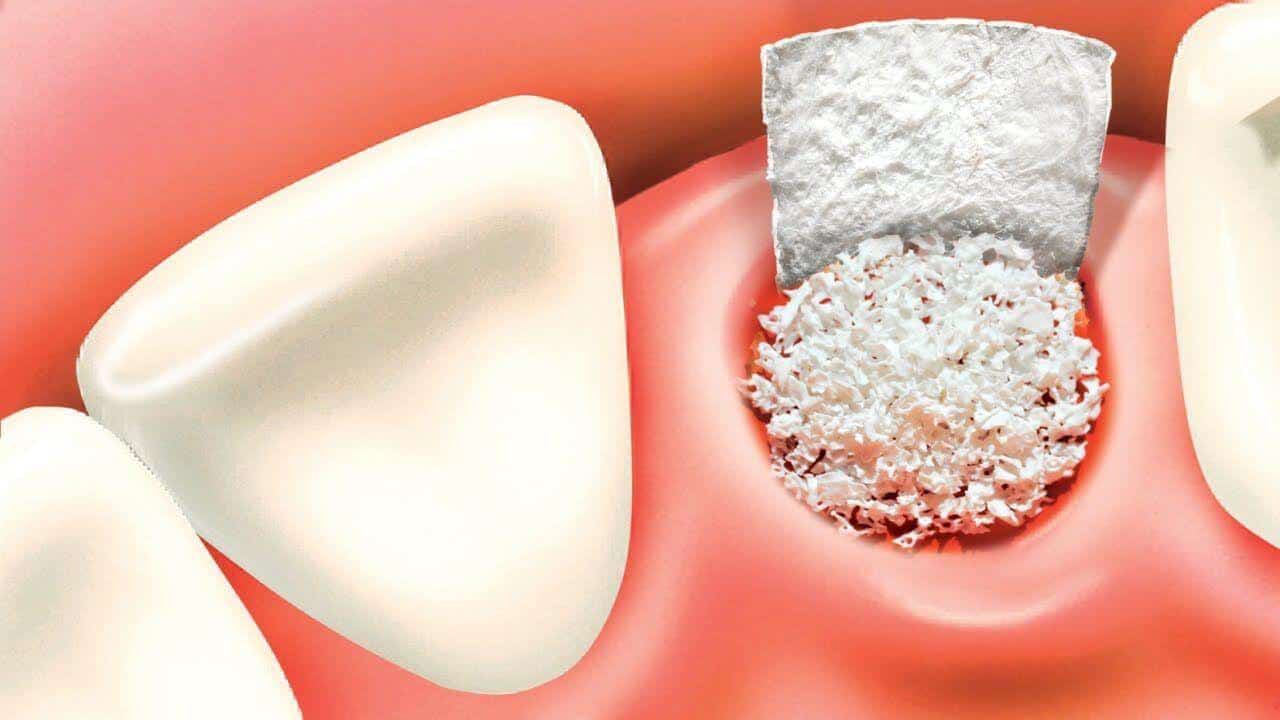
Bone resorption begins soon after the loss of a tooth. Therefore, in order to minimise bone loss, we may recommend several options such as an immediate dental implant or a tooth socket bone graft to replace your extracted broken tooth. Dental implants will also help to recreate balance in your bite, as it is a functional replacement for the tooth that is lost.
Step 2: Pre-surgical preparation
1-2 days prior to your surgery, a thorough scaling and polishing is done. An oral probiotic is also given to boost the numbers of beneficial bacteria in the saliva so that healing is as smooth as possible.
Step 3: Removing the broken tooth
The surgical extraction is always done under a local anaesthetic. If you are very nervous or anxious, IV sedation administered by an anaesthesiologist can be very helpful to ensure an anxiety free experience, especially if the surgical extraction is anticipated to be difficult.
An incision along the gum line will be made to expose the tooth’s roots. Some bone may be removed to allow the tooth to be more easily separated from the bone. If necessary, the broken tooth will be divided into smaller, more manageable pieces to be removed.
The gum will then be repositioned with stitches which will be removed after a few days.
Post-op medication and care instructions will then be given to you to ensure a speedy recovery.
Frequently
Asked
Questions
Got questions? We’ve got answers! Check out our FAQ section for common inquiries and helpful information to guide you.
What is surgical tooth extraction?
Surgical tooth extraction is a procedure to remove a tooth that cannot be extracted using simple techniques, typically because the tooth is broken below the gum line, severely damaged, or has complex root anatomy. Unlike simple extractions where the tooth is visible above the gum and can be removed with forceps, surgical extraction may require incisions in the gum tissue, removal of bone around the tooth, or sectioning the tooth into smaller pieces for removal.
Surgical extraction is commonly needed for broken teeth when insufficient tooth structure remains above the gum line to grasp with instruments, or when the fracture extends deep below the gum or bone level.
When does a broken tooth need surgical extraction?
A broken tooth requires surgical extraction when it cannot be restored or when the fracture compromises the tooth’s structural integrity beyond repair. Key indications include teeth with fractures extending significantly below the gum line, root remnants with open root canals accompanied by infection, and teeth with fracture necrosis (loss of vitality due to fracture) showing progressive bone loss.
The decision to extract versus retain a broken tooth should consider both tooth-related factors (extent of damage, presence of infection, restorability) and patient-related factors (overall health status, ability to maintain oral hygiene, and risk of complications). In some cases, severely broken teeth can be saved using alternative treatments such as surgical extrusion, crown lengthening, or orthodontic extrusion, which we can discuss with you.
What pain medication will I receive after surgical extraction?
At Elite Dental Group, our preferred first-line medication is Arcoxia (etoricoxib), which may be prescribed alone or together with steroids to help manage pain and inflammation effectively.
These medications are generally more effective for dental extraction pain and have fewer side effects compared to opioid-based pain relievers
HOW CAN WE
HELP?
Heading to a dental clinic can be a scary and almost overwhelming experience. If you have landed on our website, we would like to extend our warmest welcome to you and your family. There is nothing to fear!
If you require more information about our costs or are looking for ways to save money on dental treatments, arrange for a consultation with our dentists at a time of your convenience.
 Elite Dental Group