Key Takeaways
- The risks of dental implants include both expected short-term side effects and less common complications that may occur over time.
- Temporary discomfort, swelling, and minor bleeding are normal after surgery and usually resolve with proper care.
- Long-term success depends on how well the implant integrates with the jawbone and how it is maintained.
- Complications such as peri-implant inflammation, nerve involvement, or implant failure are uncommon but should be identified early.
- Factors like gum health, smoking, and underlying medical conditions can influence healing and overall outcomes.
Introduction
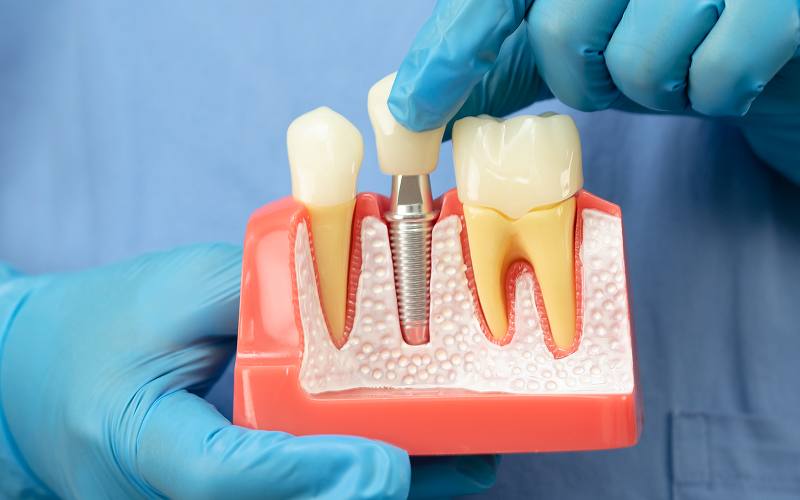
For many patients, the idea of replacing a missing tooth with something that looks and functions like a natural one is reassuring. Dental implants offer that possibility, which is why they are often considered a reliable option. Still, any surgical procedure comes with its own set of considerations.
Before moving forward, it helps to understand what the process involves and how your body may respond during healing. This article explores the potential risks of dental implants, from short-term side effects to longer-term considerations, to help you make a more informed decision.
Short-Term Side Effects of Implant Surgery
After the surgery and during the early healing period, you may experience some short-term side effects. These are generally expected responses as your body begins to recover and adapt to the implant.
Post-Surgical Discomfort and Swelling
Mild pain, swelling, or bruising is common in the first few days after surgery. These usually settle on their own with rest, medication, and basic aftercare such as cold compresses.
Bleeding or Delayed Healing
Light bleeding after surgery is normal and should stop within a short period. Some patients may heal more slowly, depending on factors such as their overall health and lifestyle habits like smoking. Your dentist will monitor the healing process closely during follow-up visits.
Longer-Term Risks of Dental Implants
Once the initial healing phase is complete, the focus shifts to how well your implant performs over time. Long-term success of your dental implant will depend on how well it integrates with your jawbone and how it responds to everyday use.
Challenges with Osseointegration
For your implant to remain stable, it needs to bond securely with the surrounding bone. This crucial process is also known as osseointegration. In some cases, this process may not progress as expected, which can affect how firmly the implant holds in place. Contributing factors may include insufficient bone density, excessive movement during healing, or underlying health conditions. When detected early, adjustments or additional treatment may be recommended.
Bone Changes Around the Implant
Even after successful integration, the bone and surrounding tissues need to remain stable. Unlike natural teeth, implants lack a periodontal ligament, so the surrounding bone does not receive the same level of feedback and stimulation. Over time, this can lead to gradual bone resorption and weaken the support around the implant. Plaque build-up can also lead to ongoing gum irritation, which may affect the underlying bone if left unmanaged.
Regular reviews allow your dentist to monitor these changes and intervene early where needed.
Mechanical Issues Over Time
Dental implants consist of multiple components that work together. With regular use, these parts may gradually wear or shift. You may notice changes such as a slightly loose crown or minor discomfort when biting. Minor issues, such as loose screws, are typically manageable with simple adjustments, while major problems, such as implant fracture, may require removal.
Less Common but Possible Complications with Dental Implants
While most patients heal with minimal issues, some less common complications may occur. These are not typical outcomes, but it is important to be aware of them so they can be identified and managed early.
Peri-Implant Inflammation (Peri-Implantitis)
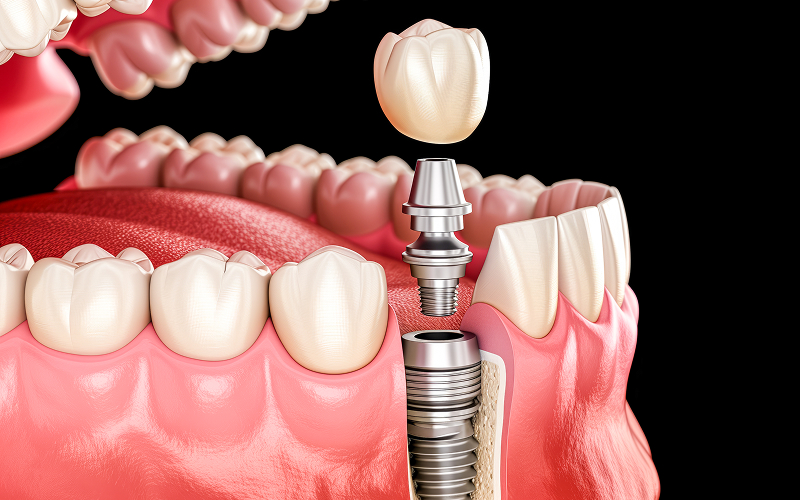
Peri-implantitis occurs when the inflammation caused by plaque accumulation progresses beyond the gums and into the bones. If left untreated, it may compromise the implant’s long-term support.
Possible signs include:
- Red, swollen, or tender gums around the implant
- Bleeding when brushing or flossing
- Persistent bad breath or unpleasant taste
Nerve or Sinus Involvement
Depending on the implant location, nearby structures such as nerves or sinus cavities may be affected. This can lead to temporary numbness or sinus-related symptoms in rare cases.
Look out for red flags such as:
- Numbness, tingling, or altered sensation in the lips, chin, or tongue
- Sinus pressure or discomfort, especially for upper jaw implants
- A feeling of fullness or sensitivity in the sinus area
Damage to Nearby Teeth or Blood Vessels
In rare cases, the drilling process during implant placement may affect nearby tooth roots or surrounding blood vessels. This is uncommon, as dentists use imaging such as X-rays and detailed planning to help minimise this risk.
If a nearby tooth is affected, treatment may involve a dental filling or crown to protect the structure. In cases where the inner pulp is involved, a root canal may be recommended to prevent further complications.
Implant Failure
In some situations, the implant may not integrate successfully or may lose stability over time. When this happens, the implant may need to be removed and reassessed.
Factors That Can Increase Risk
Not all patients face the same level of risk when it comes to dental implants. Certain factors can increase the likelihood of dental implant complications and are carefully assessed during treatment planning.
Existing Gum Disease or Poor Oral Hygiene
Healthy gums form the foundation for a stable dental implant. When gum disease is present, the surrounding tissues may already be weakened, increasing the risk of infection and affecting how well the implant integrates. This is why gum health is a key consideration before proceeding with implant treatment.
Smoking or Untreated Teeth Grinding
Smoking affects blood flow and can slow down the healing process, making it more difficult for the implant to integrate successfully. Teeth grinding, also known as bruxism, places excessive pressure on the implant and may cause long-term structural stress if not managed with protective measures, such as night guards.
Medication and Conditions That Affect Healing or Bone Health
Certain medical conditions and medications can influence how the body heals and maintains bone structure around dental implants. These include uncontrolled diabetes, immunosuppressive medications, and long-term use of corticosteroids. These do not automatically exclude you from implant treatment, but they require careful evaluation and coordination with other medical professionals.
Conclusion
Like any other procedure, dental implant treatment requires thoughtful consideration. Understanding the risks and benefits allows you to approach the process with clear, realistic expectations rather than uncertainty. Proper assessments, personalised care, and regular follow-ups can help reduce and manage the risks of dental implants.
At Elite Dental Group, a dental clinic in Orchard, all implant surgeries are supported by plasma activation to support healing and help reduce the risk of complications. Complex cases are also managed by a multidisciplinary team that includes a dental implant surgeon, periodontist, and prosthodontist. Where needed, we also work closely with medical doctors and anaesthetists to ensure you are suitable for surgery. Additionally, IV sedation and general anaesthesia options are available to support a more comfortable and anxiety-free experience.
If you have any concerns, you can also start with OralLink, an AI-powered platform co-founded by Dr Gerald Tan. This tool can help you assess your symptoms at home and understand whether a dental check-up may be needed before taking the next step.
To learn more or book a consultation, reach out to us today.
 Elite Dental Group