Key Takeaways
- Mini dental implants and traditional implants differ in design, which affects how and where they are used.
- Standard implants are typically used for full-function replacement, while mini implants are suited for more specific cases.
- Bone support and bite forces are key factors in determining suitability.
- Costs vary based on treatment complexity, with mini implants generally lower upfront but more limited in use.
- A dentist’s assessment is essential to ensure the treatment supports long-term function and maintenance.
Introduction
You may have heard of mini dental implants as an alternative to standard dental implants, especially when exploring options for replacing a missing tooth. While they may sound similar, the differences between them can influence how well your replacement tooth functions in daily life.
When comparing a mini implant vs a traditional implant, factors such as size, strength, and each option’s suitability for long-term use become important. This article explores the key distinctions, advantages, and considerations to help you determine which type of dental implant may be more suitable for your needs.
Mini Implants vs Traditional Implants: Comparing Key Differences
When looking at a mini implant vs a traditional implant, the key differences become clearer in how each design translates into function, flexibility, and long-term use.
Size and Design
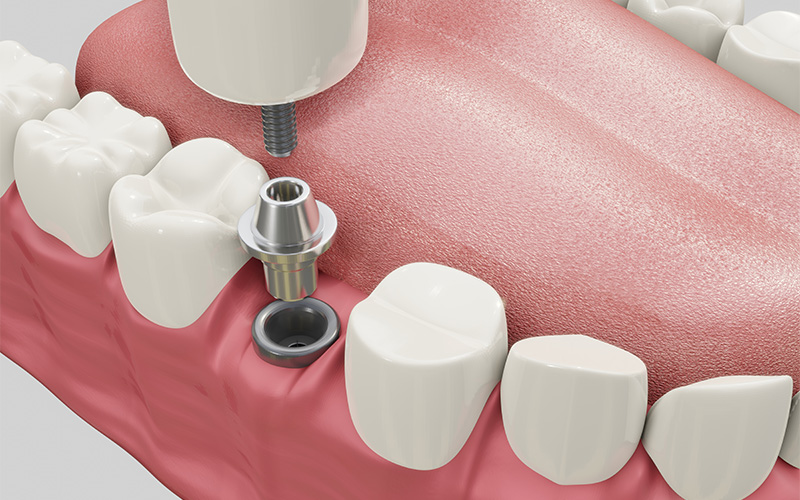
Traditional dental implants typically consist of a titanium implant fixture, usually wider than 3.5mm in diameter, that is placed into the jawbone. The treatment often comes with additional connecting components that attach to the final restoration, such as a dental crown.
Mini dental implants are narrower, single-piece implants designed with a simpler structure. They are usually less than 3mm in diameter and consist of a slim screw that is placed into the jawbone, with a small ball-shaped attachment at the top. This attachment is used to secure a dental prosthesis directly, without the need for multiple separate components.
Bone Support and Stability
Both mini and standard implants rely on the surrounding jawbone for stability. This process, known as osseointegration, allows the implant to function as a replacement root.
Standard implants typically come into contact with a larger area of bone due to their wider diameter, which can support implant stability and strength during everyday function. Mini implants engage a smaller portion of bone. This can be helpful in cases where bone volume is reduced, although it also means they are generally used in situations with lower functional demands.
Functional Use in Treatment
Mini implants may be considered in the following scenarios:
- In areas where the jawbone is narrow or has limited width
- For replacing smaller teeth, such as the lower front teeth
- To stabilise removable implant-supported overdentures
- As temporary anchorage points in orthodontic treatment
Standard dental implants are used for a wide range of treatments, including single-tooth replacement, bridges, and full-arch restorations. They are often selected in situations where the restoration is expected to support regular chewing function over time.
Rather than one being “better” than the other, each option is suited to different clinical situations. The choice depends on factors such as bone support, functional needs, and the type of restoration planned.
How Much Do Mini Implants and Traditional Implants Cost?
Cost can vary quite widely depending on your condition, but having a general range can make it easier to plan ahead. In Singapore, mini dental implants are often priced lower per implant, typically starting from around $300 to $2,500 per tooth. They are commonly used in groups, especially for denture stabilisation, so the total cost will depend on how many implants are needed to achieve adequate support.
The cost of standard dental implants tends to be higher, ranging from $4,000 to $6,000 per implant. If additional procedures are required, such as bone grafting or sinus lifting, this can increase the overall cost.
Beyond the base price, several factors influence the final dental implant cost:
- The number of implants required
- The type of restoration (single crown, bridge, or full-arch)
- Bone condition and whether preparatory procedures are needed
- Materials used for the final prosthesis
- The level of planning involved, including digital imaging and surgical guidance
While mini implants may appear more affordable upfront, they are typically used for more specific purposes. Standard implants, although more expensive upfront, are often planned with long-term implant outcomes and maintenance in mind. A personalised consultation is needed to fully understand the full scope and cost of treatment.
Exploring the Pros and Cons of Mini Dental Implants
Mini dental implants can be a useful option in selected situations, but like any treatment, they come with both advantages and limitations.
Why Choose Mini Implants
Mini dental implants may offer a more streamlined treatment approach in certain cases. Their smaller size can allow for a less invasive placement process, particularly when bone width is limited, and additional procedures are best avoided. This may reduce the need for more complex surgical steps and, in some situations, shorten the overall treatment timeline.
Cons and Limitations
Mini dental implants are generally used in more specific situations due to their smaller diameter. They experience greater stress than standard implants under load, making them less suitable for load-bearing regions such as the back teeth. Their performance can also be more sensitive to alignment and how bite pressure is distributed across the implant.
In addition, the single-piece design offers less flexibility for long-term maintenance. If the attached prosthesis becomes worn or damaged, there may be fewer options for adjustment or replacement compared to multi-component systems. As a result, they are not suitable for all tooth-replacement scenarios, and durability may be a concern if they are used beyond their intended purpose.
The Importance of a Dentist’s Assessment
Before deciding on any implant option, it is important to have a thorough discussion with your dentist. While mini dental implants can be suitable in certain situations, choosing them based on convenience or cost alone may not always align with your long-term needs.
During your consultation, take the opportunity to ask questions about your bone condition, bite forces, and how each option is expected to perform over time. Raising any concerns early on can help you better understand the reasoning behind the recommended treatment.
Conclusion
Choosing between a mini implant and a traditional implant is not simply about selecting a smaller or larger option, but about understanding what best supports your long-term oral health and daily function. Each treatment serves a different purpose, and the right choice depends on factors such as bone support, bite demands, and the type of restoration needed. Taking the time to explore these considerations with a dentist can help you move forward more confidently.
If you are considering dental implants, the team at Elite Dental Group is here to guide you. Our implant surgeries are performed with plasma activation to support healing and help reduce the risk of complications. We also manage complex cases through a multidisciplinary approach involving a dental implant surgeon, periodontist, and prosthodontist, with support from medical doctors and anaesthetists as needed. The clinic also provides IV sedation and general anaesthesia options to help ensure a more comfortable experience, as well as a full digital workflow for surgical planning and execution.
If you have any concerns about your oral health, you can also explore your symptoms through OralLink, an AI platform co-founded by Dr Gerald Tan. Patients can share their symptoms or upload a photo of the affected area to receive preliminary insights on whether a dental check-up may be needed. While it does not replace a clinical diagnosis, it can be a helpful first step in understanding your condition before visiting the clinic.
Contact us to make an appointment today.
 Elite Dental Group