Key Takeaways
- Smile concerns often involve more than appearance alone and may relate to bite function, tooth structure, or gum health.
- Common issues such as discolouration, wear, misalignment, and gum changes can be addressed through a range of tailored treatment options.
- Proper treatment planning is essential to ensure smile improvements remain comfortable, functional, and durable over time.
- Some treatments may involve short adjustment periods or ongoing maintenance, which should be factored into decision-making.
- A professional consultation helps patients understand how to fix their smile in a way that aligns with their needs, expectations, and long-term oral health.
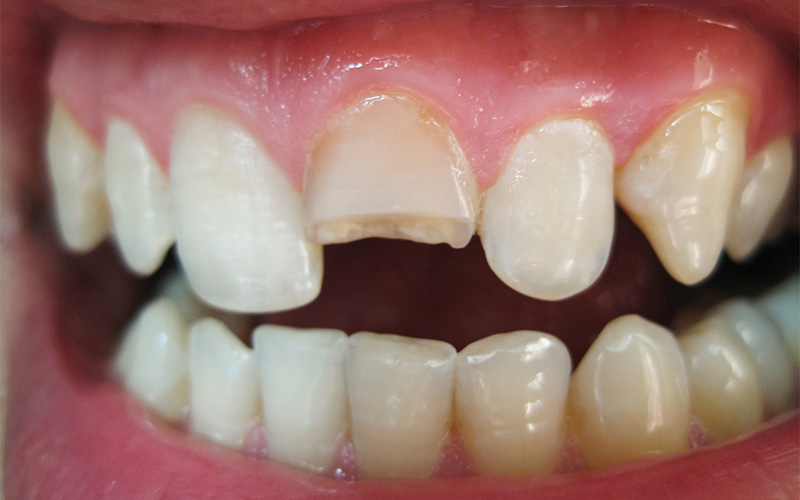
Have you been struggling with small but persistent issues with your smile, such as discolouration, mild crowding, and uneven edges? These changes can quietly affect your confidence, comfort, and, in some cases, daily function. If you have been wondering how to fix your smile, this article explores common dental concerns, suitable treatment options, and the importance of proper assessment and planning.
Common Cosmetic Dental Concerns and Smile Improvement Options
For those curious about how to fix their smile, there are several smile makeover options that can be recommended based on your individual needs and oral health.
1. Discolouration and Uneven Tooth Colour
Changes in tooth colour or staining may develop over time due to ageing, diet, smoking, or previous dental treatments that no longer match your surrounding teeth. This can make teeth look older or unhealthy, affecting confidence when smiling or speaking.
Treatment Options
- For surface stains caused by food, drinks, or ageing, professional teeth whitening may be suitable.
- In some cases, a thorough dental cleaning can also help remove plaque and surface discolouration, allowing the natural tooth colour to show more clearly.
- When staining is deeper, uneven, or does not respond well to whitening or cleaning, dental veneers may be considered to improve colour consistency.
The choice depends on whether the discolouration is external or internal, as well as the amount of healthy tooth structure available.
2. Chipped, Worn, or Uneven Teeth
Teeth can become chipped or worn due to grinding, clenching, bite pressure, or past restorations that have deteriorated over time. Even small imperfections can disrupt the balance of a smile and, in some cases, affect how the teeth meet during chewing. Left unaddressed, uneven wear may progress and place additional stress on surrounding teeth.
Treatment Options
- Composite bonding can be used to repair small chips or adjust tooth shape with a tooth-coloured resin, ensuring minimal removal of natural tooth structure.
- When changes in tooth shape, size, or surface appearance are needed across the front teeth, dental veneers may be considered to achieve more balanced proportions.
- Dental crowns are usually recommended when teeth are significantly worn, cracked, or structurally weakened.
3. Gaps, Crowding, or Misalignment
Spacing or crowding issues are not always severe enough to cause pain, but they can affect your appearance and self-confidence. Bite alignment can also play a role in how forces are distributed across the teeth, leading to uneven wear and jaw discomfort over time.
Treatment Options
- Clear aligners, such as Invisalign, are removable, custom-made trays that gradually move teeth into improved positions. Commonly used for mild to moderate spacing or crowding.
- In cases where bite alignment affects chewing comfort or long-term tooth health, more comprehensive orthodontic treatment may be advised.
4. Uneven or Receding Gum Line
Changes in the gum line can alter the proportions of a smile and may expose tooth surfaces, making it more vulnerable to sensitivity and wear. Gum recession is commonly caused by aggressive brushing, gum disease, bite-related stress, or natural changes that occur with age.
Treatment Options
- Gum contouring may be considered to gently reshape the gum line for a more balanced appearance.
- If tooth support is compromised and sensitivity is present, gum grafting is typically recommended. This gum recession treatment adds tissue to cover exposed roots and strengthen the surrounding gums.
Why Proper Planning is Important for Smile Makeovers
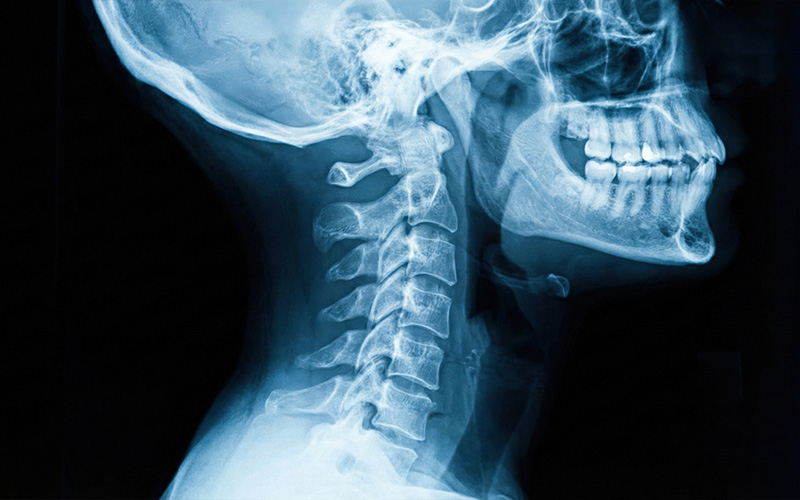
A smile makeover typically begins with a thorough initial consultation. During this stage, the dentist takes time to understand your concerns, assess your oral health, and evaluate how your teeth, bite, and gums function together. At Elite Dental Group, our dentists also use clinical photographs, X-rays, and 3D digital scans, as well as an AI-assisted smile design software to guide decisions for treatments.
Appearance Alone Is Not Enough
Improving the aesthetics of a smile without considering how dental function can lead to avoidable problems over time. Issues such as uneven wear, discomfort when chewing, or early failure of restorations may occur when cosmetic changes are made in isolation.
Key Factors To Consider
- Bite alignment, which affects how chewing forces are distributed across the teeth
- Tooth structure, which determines how well restorations are supported
- Gum health, as unhealthy or receding gums can compromise both appearance and stability over time
This comprehensive approach helps patients make informed decisions about how to improve their smile in a way that can remain stable and easier to maintain in the years ahead.
Potential Side Effects of Smile Makeover Treatments
While smile makeover treatments are generally well tolerated, it is helpful to be aware of potential side effects and care considerations.
1. Temporary Sensitivity
Some cosmetic or restorative procedures may cause short-term sensitivity to hot, cold, or pressure as the teeth and gums adjust. This is usually temporary and settles as the tissues adapt.
2. Adjustment Period for Bite or Speech
New restorations or aligners may feel unfamiliar at first and can slightly affect bite comfort or speech. This adjustment period is expected and varies from person to person.
3. Ongoing Maintenance and Care Requirements
Regular reviews, good oral hygiene, and occasional maintenance or replacement of restorations may be needed over time. Composite restorations, in particular, are more susceptible to discolouration and wear, making periodic maintenance an important part of preserving results.
Conclusion
Deciding how to fix your smile does not need to feel overwhelming. With the right guidance, patients can understand their options, expected outcomes, and maintenance requirements.
At Elite Dental Group, our smile makeover process is supported by a full digital workflow, combining specialised software, customised 3D printing, and artificial intelligence (AI) to help plan and execute treatments. Patients will also have the opportunity to consult with our ceramic technician and artist to refine the shape, shade, and overall aesthetics of their restorations for a truly personalised result.
Have more questions or concerns? Contact us today.
 Elite Dental Group