
Key Takeaways
- Adults should visit the dentist every six months, while children should start from their first tooth or by age one and continue with regular, six-monthly reviews.
- Dental check-ups typically include an examination, X-rays where needed, and professional cleaning to maintain gum health.
- How often to visit the dentist depends on various factors, such as your oral health history, existing dental work, and daily habits.
- Skipping regular check-ups can lead to more complex conditions and costly interventions over time, while early care helps keep treatment simpler and more manageable.
Introduction

Many people are unsure how often to visit the dentist and only book an appointment when something starts to feel wrong. It might be a sudden toothache, bleeding gums, or visible damage. By that point, however, the issue has often been developing for some time, which can make treatment more involved than it needs to be.
This article explores the recommended frequency of dental check-ups, the factors that may influence your ideal schedule, and how being consistent can support better oral health over time.
How Often Should You Visit the Dentist?
For most adults, we recommend visiting the dentist every six months. This allows your dentist to monitor your teeth and gums regularly, helping to identify early signs of decay, gum changes, or wear before they progress into more complex issues.
For children, the first dental visit is typically recommended at around one year old, or when their first tooth erupts, whichever comes earlier. Afterwards, a six-month interval is usually recommended to monitor their dental development.
What Should You Expect During a Check-up?
During these visits, your dentist will thoroughly examine your teeth, gums, existing restorations, and bite. Where necessary, X-rays may also be taken to assess areas that are not visible during a routine check.
Your dentist may also recommend getting your teeth professionally cleaned. Scaling and polishing teeth helps remove plaque and hardened deposits that cannot be cleared through brushing and flossing alone. This keeps your gums healthier and lowers the risk of gum disease over time.
Factors That Affect How Often You Should Visit the Dentist
While the six-month guideline works well for many people, it is not a fixed rule. Some patients may require more frequent reviews, especially if there are specific concerns or a higher risk of dental issues. Your dentist will assess multiple factors together and recommend a schedule that suits your needs.
1. Oral Health History
If you have had gum disease, frequent cavities, or previous dental complications, you may need more frequent visits. These conditions can return or progress without immediate or visible signs, so routine dental visits are key to catching any changes or symptoms early.
2. Existing Dental Work
Teeth that have been treated with crowns, large fillings, dental implants, or root canal therapy often require closer follow-up. Over time, restorations can wear down, loosen, or affect surrounding teeth and gums. Regular reviews help ensure everything remains stable and continues to function well.
3. Lifestyle and Daily Habits
Your lifestyle habits can also affect your oral health. For example, smoking can affect gum health and healing, while teeth grinding places extra stress on your teeth and restorations. A diet high in sugar or acidic foods can also increase the risk of decay. If these factors are present, your dentist may recommend shorter intervals between visits to manage these risks more closely.
By looking at the full picture, dentists can recommend a routine that helps reduce the likelihood of problems developing between appointments and supports more stable long-term oral health.
What Can Happen If You Delay Dental Visits?
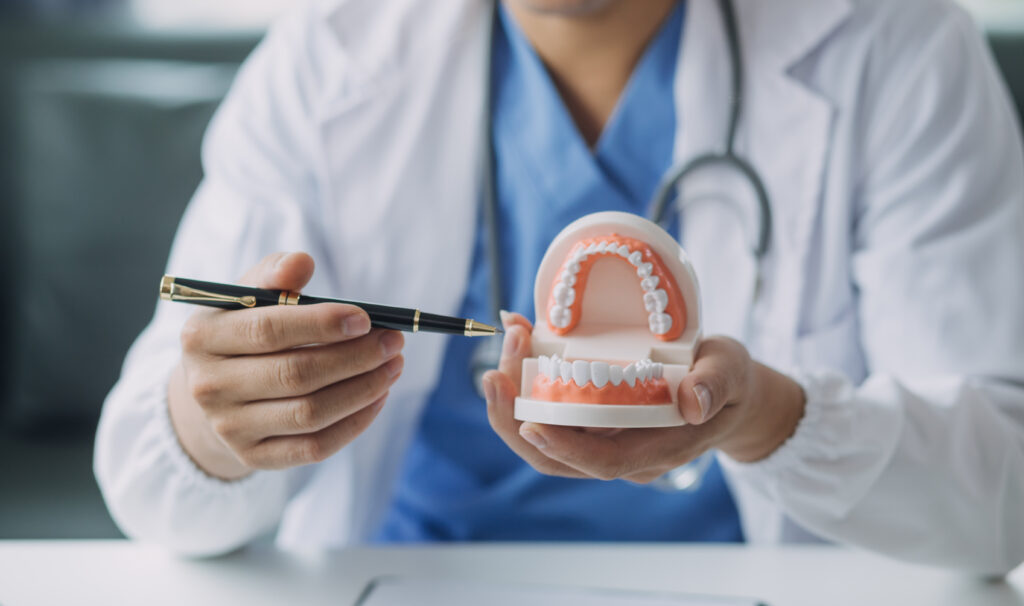
Skipping regular check-ups may not cause immediate problems, but over time, small and manageable issues can develop into more complex conditions. Without routine monitoring and preventive dental care, these changes can go unnoticed until symptoms appear.
1. Tooth Decay That Progresses Further Than Expected
Early decay does not always cause pain. Without regular reviews, small cavities can deepen and affect the inner layers of the tooth. This may eventually lead to infection, requiring more involved treatment such as root canal therapy instead of a simple filling.
2. Gum Disease and Ongoing Inflammation
Gum disease often begins with little to no visible symptoms, with mild inflammation or occasional bleeding during brushing. If not managed early, it can progress to more advanced stages, affecting the bone that supports your teeth. This may lead to gum recession, loose teeth, or long-term damage to your oral health.
3. Build-Up of Plaque and Tartar
Even with good brushing habits, plaque can harden into tartar over time. Without professional cleaning, this build-up can irritate the gums and create an environment where bacteria thrive, increasing the risk of both decay and gum disease.
4. Wear, Cracks, and Bite Issues Going Unnoticed
Teeth naturally experience wear over time, especially if you grind your teeth or have an uneven bite. Without regular check-ups, small cracks or bite changes may not be detected early, which can lead to discomfort, fractures, or damage to existing dental work.
5. More Complex and Invasive Treatment Later On
When dental issues are identified later, treatment often becomes more involved. What could have been managed conservatively may progress to the point where procedures such as gum grafting treatment or even tooth extraction are required. These treatments are also typically more time-consuming and costly compared to addressing the issue early on.
Signs You Should See a Dentist Sooner Than Planned
Even if you already have a check-up scheduled, certain symptoms should not be ignored. You may want to see a dentist sooner if you notice:
- Persistent toothache or discomfort, especially when chewing or biting
- Sensitivity to hot, cold, or sweet foods that does not go away
- Bleeding, swollen, or tender gums during brushing or flossing
- Bad breath or an unpleasant taste that persists despite good oral hygiene
- Loose teeth or a feeling that your bite has changed
- Cracks, chips, or visible damage to your teeth
- Swelling in the gums, face, or jaw area
- Sores or ulcers in the mouth that do not heal within one to two weeks
Should You Consult Artificial Intelligence (AI) About Dental Health?
In this age of AI, it is common for patients to turn to chatbots or online tools to understand their symptoms or learn more about dental care. While this can be a helpful first step, not all sources are designed with clinical accuracy in mind, and it can sometimes lead to confusion or unnecessary worry.
If you choose to use digital tools, it is worth looking at platforms developed with dental input, such as OralLink. Co-founded by Elite Dental Group’s Dr Gerald Tan, the platform allows you to assess your oral health at home by analysing images and symptoms, helping to flag potential concerns early. That said, a clinical in-person examination remains important for confirming a diagnosis and planning appropriate treatment.
Conclusion
Knowing how often to visit the dentist is important for keeping your oral health in check. However, the right schedule is not the same for everyone and should be based on your individual needs rather than a fixed rule.
At Elite Dental Group, a dental clinic in Orchard, we focus on providing a patient-first experience with clear explanations and a supportive environment. Our staff is trained to support patients with dental anxiety, helping you feel more at ease and confident about attending regular check-ups.
Contact us today for a free 5–10 minute consultation.
 Elite Dental Group