Key Takeaways
- Whether you need veneers depends on your specific concerns. Veneers are mainly used for cosmetic improvements such as discolouration, chips, or uneven shapes.
- Underlying issues like gum health, bite alignment, or teeth grinding are often assessed first before deciding on the suitability of veneers.
- The procedure involves permanent changes to your teeth and may come with side effects like increased sensitivity and complications like debonding.
- There are several alternatives, including bonding, orthodontic treatment, and other cosmetic options that may achieve similar results more conservatively.
Introduction
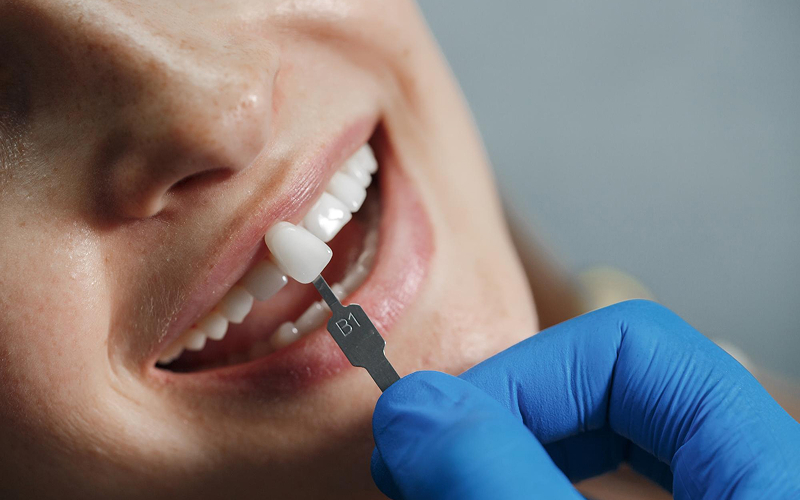
For many people looking to improve their smile quickly, veneers can seem like an attractive option. They offer a relatively fast way to achieve a more even, polished appearance. However, they also come with their own set of risks and complications.
So, do you really need veneers, or are there any other options worth exploring? The answer isn’t always straightforward. Below, we explore what you should consider before choosing veneers, as well as the alternatives available.
What Are Veneers?
Veneers are thin, custom-made shells that are bonded to the front surface of your teeth to improve their appearance. They are typically made from porcelain or composite resin and are designed to match the colour, shape, and size of your natural teeth.
They are typically used to address:
- Persistent discolouration that does not respond well to whitening
- Uneven tooth shape, size, or surface texture
- Minor chips, cracks, or small gaps between teeth
- Cosmetic asymmetry that affects the appearance of your smile
It is important to recognise that veneers are primarily aesthetic, designed to enhance how teeth look rather than correct deeper structural or functional issues.
What to Check Before Considering Veneers
Your dentist will carry out a detailed assessment to determine whether veneers are appropriate for you. This goes beyond how your teeth look and focuses on whether your overall oral health can support a long-lasting result.
Gum Health
First, your dentist will review your gum health. Signs such as swelling, bleeding, or recession may affect how veneers sit along the gum line and how they appear. These issues are often managed first before considering smile improvement treatments.
Teeth Grinding and Clenching
Grinding or clenching can place repeated pressure on the teeth. This may increase the likelihood of wear or damage to veneers over time. If these habits are present, your dentist may suggest ways to help reduce the impact on your teeth.
Bite Alignment
The way your teeth come together can affect how force is distributed when you chew. If your bite is uneven, certain teeth may take on more pressure, which can affect the durability of veneers. In some cases, veneer alternatives or alignment treatment may be discussed.
Potential Risks and Complications of Veneers
If you are wondering whether you need veneers, it’s important to be aware of the potential risks and limitations, not just the aesthetic benefits. While veneers can enhance the appearance of your smile, they involve changes to your natural teeth that should be carefully thought through.
Irreversible Enamel Removal
The process typically involves removing a thin layer of enamel from the front of the tooth. This creates space for the veneer but also means the treatment is not reversible. Once enamel is removed, it cannot be replaced, and the tooth will continue to require some form of coverage moving forward.
Increased Tooth Sensitivity
Some patients may notice increased sensitivity after veneers are placed, particularly when consuming hot or cold foods and drinks. This is often due to the reduced enamel layer, which normally helps insulate the tooth.
Chipping or Fracture
Veneers can chip or fracture under pressure, particularly if there are habits such as grinding or if the bite is not evenly distributed. In some cases, damage may require repair or full replacement rather than a simple fix.
Bonding Failure or Debonding
Veneers rely on a strong bond to the tooth surface. Over time, this bond can weaken due to wear, pressure, or other factors, leading to loosening or detachment. If this happens, the veneer will need to be reattached or replaced.
Material Limitations
Veneers are usually made from porcelain or composite resin, and each material has its own characteristics. Porcelain tends to be more resistant to staining but can still chip under pressure, while composite may be more prone to wear over time. The choice of material can influence durability, maintenance, and how the veneers age.
Alternative Treatments That May Be Considered
If the answer to the question “Do you really need veneers?” is “not necessarily”, then it may be worth exploring other cosmetic dental options that can address your concerns more conservatively.
Dental Bonding for Minor Corrections
Dental bonding is often used to manage small chips, gaps, or uneven edges. A tooth-coloured material is applied and shaped directly onto the tooth, allowing for adjustments without removing as much natural structure. It is typically suited for minor cosmetic changes and can usually be completed in a shorter time.
Orthodontic Treatment for Alignment
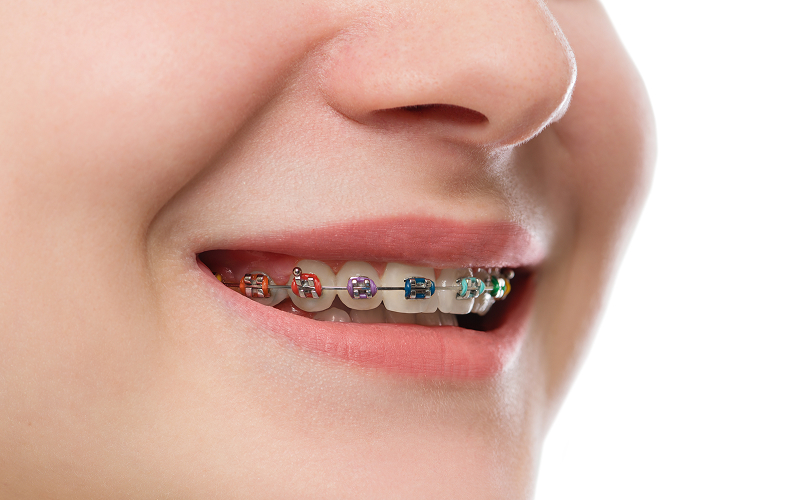
If your concerns are related to spacing or alignment, orthodontic treatment may be considered. Clear aligners, for example, gradually move teeth into a more even position. While this approach takes more time, it works with your natural teeth rather than covering them, which may reduce the need for veneers.
Restorative Treatments for Support
When a tooth requires additional strength due to decay or damage, restorative options such as crowns or a dental filling may be more appropriate. These treatments focus on rebuilding the structure of the tooth while also helping to improve its appearance.
Combination Approaches for Balanced Results
Your dentist may recommend a combination of treatments rather than relying on a single option. For example, alignment may be corrected first, followed by minor cosmetic adjustments. A well-rounded smile makeover treatment plan looks at both function and aesthetics, sequencing treatments in a way that supports more stable and natural-looking results over time.
Do You Really Need Veneers? How to Decide
There is no one-size-fits-all answer. The decision depends on your specific concerns, oral health, and treatment goals.
Consider veneers if:
- Your concerns are mainly cosmetic, such as deep staining, uneven shapes, or small chips.
- Whitening or minor treatments have not achieved the results you want.
- You are looking to improve the overall symmetry and appearance of your front teeth.
Look for alternatives if:
- Your concerns are related to alignment, spacing, or bite issues.
- You prefer to preserve as much natural tooth structure as possible.
- More conservative treatments, such as bonding or orthodontics, may address the issue.
A proper consultation allows your dentist to assess your condition and explain the options clearly. This helps you understand not just what is possible, but what is appropriate for your situation.
For those who are still unsure, artificial intelligence (AI) platforms can help provide temporary reassurance before you seek a professional opinion. OralLink, a tool co-founded by Dr Gerald Tan, can help users analyse their dental concerns at home and assess whether a check-up may be needed.
Conclusion
If you have concerns about whether veneers are the right solution for you, it helps to first explore the different options available and understand what suits your specific concerns. In many cases, a more gradual or combined approach can achieve the results you want while preserving more of your natural teeth.
At Elite Dental Group, we take the time to walk you through all available options so you can make a decision you feel comfortable with. For patients looking into smile correction treatment, we use a full digital workflow for planning and execution, supported by specialised software, customised 3D printing, and AI. Patients will also have the opportunity to meet our ceramic technician and artist, allowing for a more personalised final result.
For more information, feel free to contact us today.
 Elite Dental Group