
Key Takeaways
- Choosing a dental crown vs a filling depends on how much healthy tooth structure remains and how well the tooth can withstand daily chewing forces.
- Dental fillings are more suitable for smaller areas of decay, especially when the tooth remains stable, and most of the natural structure can be preserved.
- Dental crowns provide more coverage and are typically considered when a tooth is weakened, heavily restored, or at higher risk of fracture.
- Factors such as bite pressure, tooth position, and previous treatments like root canal therapy play an important role in determining a suitable option.
- In some cases, inlays and onlays may be considered as a more conservative option, providing additional support than fillings while preserving more natural tooth structure than full crowns.
Introduction
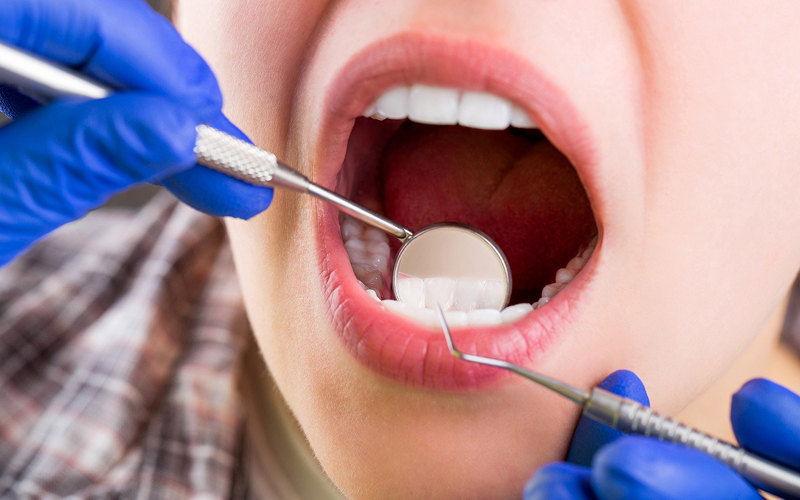
When a tooth is damaged or decayed, treatment often comes down to choosing a dental crown vs filling. Both are designed to restore function and protect the tooth, yet they differ in the level of support they provide and when they are most appropriate.
Understanding these differences can help you make more informed decisions about your oral health. Below, we explain how each option works, when dentists typically recommend one over the other, and what factors are considered.
What Are Dental Crowns?

A dental crown is a custom-made restoration that fully covers the visible portion of a tooth above the gumline. It is designed to restore strength, function, and protection when a tooth has been significantly weakened by decay, cracks, or previous treatment.
Crowns are commonly made from ceramic or porcelain for a natural appearance, particularly for front teeth. For back teeth that bear heavier chewing pressure, stronger materials or metal-based options may be considered. The choice of material depends on the tooth’s position, functional demands, and aesthetic considerations.
Key Purposes of a Crown
A crown may be recommended to:
- Reinforce teeth with extensive decay or fractures
- Protect teeth that have lost strength after treatment, such as a root canal
- Restore proper chewing function and maintain tooth shape
Limitations and Considerations
- Multiple visits may be required: Depending on the material and fabrication method, the process may involve two appointments. The first visit prepares the tooth and takes impressions, while the second visit involves fitting and cementing the final crown.
- Temporary sensitivity: Some patients experience mild sensitivity to temperature or pressure after crown placement. This usually settles as the tooth adapts, but it is important to monitor any persistent discomfort and inform your dentist if needed.
What Are Dental Fillings?
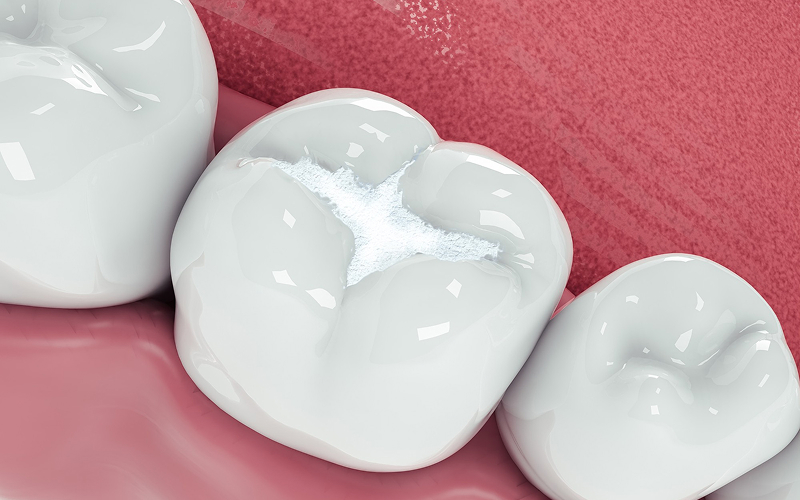
Dental fillings are conservative restorations used to repair smaller areas of decay, chips, or minor wear while preserving as much of the natural tooth as possible. During the procedure, the decayed or damaged portion of the tooth is removed, the area is cleaned, and a restorative material is placed to seal and rebuild the cavity.
Modern fillings are often tooth-coloured composite materials that bond directly to the enamel and dentine. This bonding helps support the remaining tooth structure and allows the restoration to blend naturally with surrounding teeth.
Who is Suitable for Dental Fillings?
Fillings are typically recommended when:
- Decay or damage is limited in size
- The tooth remains structurally stable after cleaning
- The priority is to maintain as much natural enamel as possible
Limitations and Considerations
- Relies on Surrounding Tooth Structure: Unlike dental crowns, the durability of fillings depends on the integrity of the remaining enamel. If too much structure is missing, the filling may not provide adequate reinforcement.
- Commonly Used for Early or Moderate Decay: Fillings are often recommended when decay is detected early. Regular dental check-ups help identify cavities before they progress to a stage where more complex treatment is required.
Dental Crown vs Filling: What Factors Influence the Decision?
Choosing a dental crown vs a filling is not based on a single factor. Your dentist will evaluate several clinical considerations to determine which tooth restoration option will provide the most predictable outcomes. The goal is always to preserve natural tooth structure where possible, while helping the tooth remain stable and functional.
1. The Amount of Remaining Tooth Structure
A key factor is how much healthy tooth structure is left after decay or damage has been removed. If only a small portion is affected, a filling is usually recommended for restoring the damaged tooth.
However, when a large amount of the tooth has been lost, especially the supporting cusps of a molar, a filling may not provide sufficient reinforcement. Under normal biting pressure, thin tooth walls can flex and eventually crack. In these situations, a crown may be recommended to encase and strengthen the remaining structure.
2. Bite Force and Tooth Position
Not all teeth experience the same level of pressure. Molars and premolars at the back of the mouth tend to absorb higher chewing forces compared to front teeth. If damage occurs in these load-bearing areas, a filling may be placed under greater stress over time.
Teeth that show signs of heavy wear, clenching, or grinding may also require additional protection. In such cases, a crown can help distribute forces more evenly across the tooth, reducing the likelihood of future cracks or structural failure.
3. Risk of Future Damage
Dentists also assess the likelihood of the tooth needing repeated treatment. A tooth that has already required multiple large fillings may have weakened internal support. Each replacement filling typically removes a small additional amount of tooth structure.
If the risk of fracture or repeated restoration is high, placing a crown may be recommended to reduce the need for further intervention. This approach focuses on durability rather than short-term repair.
4. Previous Dental Treatment on the Tooth
Teeth that have undergone extensive procedures, particularly root canal treatment, often become more brittle over time. Although the infection inside the tooth is resolved, the remaining structure may not tolerate chewing forces as well as before.
For these teeth, full coverage with a crown is often recommended, especially for the molars. This helps protect the tooth from splitting and supports long-term function.
Inlays and Onlays: A More Conservative Solution
In some cases, treatment does not have to be limited to choosing strictly between a crown and a filling. Inlays and onlays may be considered as a more conservative option, particularly when the tooth requires more support than a filling can provide, but does not need full crown coverage.
What are Inlays and Onlays?
Inlays are designed to fit within the grooves of a tooth, similar to a filling but fabricated outside the mouth for a more tailored fit. Onlays extend further to cover one or more cusps, offering additional reinforcement for areas that experience stronger chewing pressure.
These restorations are typically made from durable materials such as ceramic or porcelain, allowing them to blend naturally with surrounding teeth while providing added structural support. Because they are custom-made, they are bonded to the tooth to help restore strength while preserving more of the natural structure.
When Are They Recommended?
Inlays and onlays may be recommended when the damage is moderate, and there is still sufficient healthy tooth remaining. This allows the tooth to be reinforced without removing as much structure as would be required for a full crown.
As with all treatment options, suitability depends on your individual condition. Your dentist will assess the extent of damage, bite forces, and long-term considerations before recommending whether an inlay, onlay, filling, or crown is more appropriate.
Making the Right Choice for Your Oral Health
Choosing between a dental crown and a filling involves understanding the condition of the tooth and how it is likely to function over time. In some cases, a filling is sufficient to repair a limited area of decay. In others, a crown may be advised to provide additional coverage when the remaining tooth structure is reduced. Where suitable, inlays and onlays may also be discussed as a more conservative option that bridges the gap between fillings and crowns.
At Elite Dental Group, dental treatment planning and discussions are conducted in a structured and transparent manner. During your consultation, your dentist will review X-rays and clinical photographs with you, explain the findings, and outline the available options along with their implications.
During the dental filling process, our team will focus on preserving as much natural tooth structure as possible. We also offer BPA-free filling materials for patients with specific holistic considerations. For more complex cases involving dental crowns, patients receive personalised support, including the opportunity to meet our ceramic technician and artist for a more tailored restoration process.
If you are unsure which treatment may be suitable for your situation, you may arrange a complimentary 5 to 10-minute teleconsult to discuss your concerns and next steps. Alternatively, book an in-clinic appointment today for a detailed assessment and personalised discussion.
 Elite Dental Group