
One of the most frustrating things about a cracked molar is that there may be very little to see. You might look in the mirror and find no missing piece or obvious cavity, yet feel a sudden “zing” when chewing something firm. At other times, the tooth may feel completely normal.
That is why a proper assessment matters. Some cracks can be extremely fine, symptoms may come and go, and standard X-rays do not always show the fracture line clearly.
Below, we explain what can cause a cracked molar, the signs we look for at Elite Dental Clinic, and how we decide on the next steps.
Key Takeaways
- A cracked molar can be difficult to spot because the tooth may look intact and symptoms can come and go.
- The treatment we recommend depends on several factors, including the depth of the crack, pulp health, remaining tooth structure, and how the tooth responds to biting forces.
- Minor cracks may be managed with bonding, while more extensive damage may require a crown, root canal treatment, or extraction.
- A crack will not heal on its own, so recurring pain, lingering sensitivity, swelling, or discomfort when chewing should be assessed.
- At Elite Dental Group, we use clinical tests, imaging, photographs, and digital planning where appropriate to help patients understand what is happening before treatment begins.
What Is a Cracked Molar?
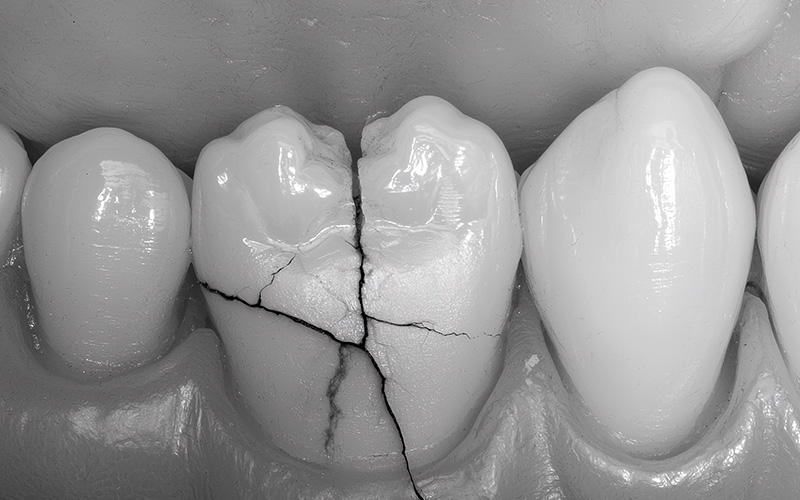
A cracked molar is a back tooth with an incomplete fracture somewhere within its structure. Unlike a tooth that has completely broken into separate pieces, the tooth may remain intact, making the problem easy to miss.
Cracks can range from superficial hairline cracks on the enamel to deeper fractures that extend into dentine or even toward the pulp, where the nerve and blood supply are located.
Common Causes of a Cracked Molar
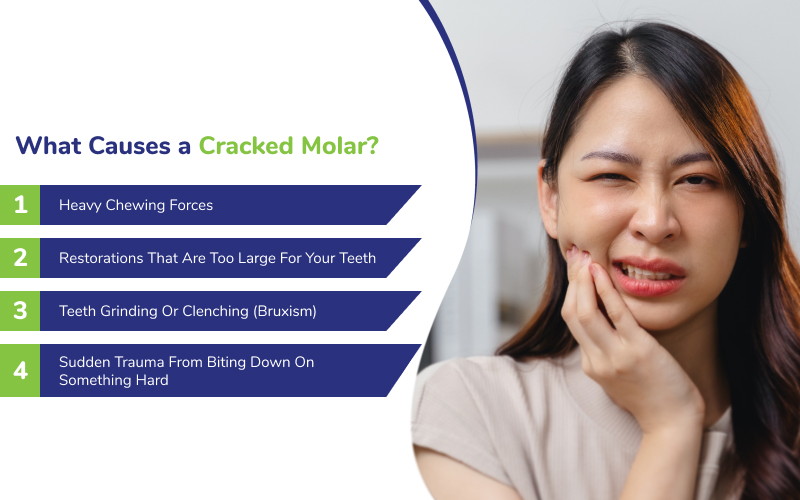
Cracked molars typically develop due to a combination of mechanical stress and structural weakening.
- Heavy chewing forces: Back teeth absorb much of the pressure generated during chewing. Repeated compression, especially against hard foods, may gradually create stress within the tooth.
- Large existing restorations: A molar with a large dental filling has less untouched tooth structure than it once did. If the surrounding cusps (the pointed or rounded bumps on the biting surface of the teeth) become thin, they may flex under load and become more prone to fracture.
- Teeth grinding or clenching: Unconscious grinding or clenching places sustained lateral forces on molars. This creates more repetitive, prolonged forces than normal chewing, further accelerating structural fatigue.
- Sudden trauma: Biting on ice, hard nuts, bones, or an unexpected hard object in your food can initiate or worsen a fracture.
Symptoms of a Cracked Tooth: What We Look For
One challenge is that symptoms of a cracked molar are often inconsistent. Some patients only notice discomfort occasionally, while others develop more persistent symptoms as the crack progresses.
Look out for the following signs:
- Sharp pain during or after biting
- Tooth sensitivity that comes and goes
- Discomfort even when there is no visible damage
- Pain that becomes more frequent or starts lingering
- Swelling, throbbing, or pain that wakes you at night
We recommend arranging a dental review if the symptoms keep returning, worsen over time, or begin affecting eating or sleep. Swelling, persistent throbbing pain, fever, or facial swelling should also be assessed more promptly, as these can suggest an infection or an abscess.
If you are unsure whether your symptoms need attention, you can also use OralLink, an AI-powered platform co-founded by Dr Gerald Tan, to input your dental symptoms or concerns for initial guidance. However, it should not replace an in-person dental assessment, especially when pain is persistent, worsening, or accompanied by swelling.
What Happens if You Ignore a Cracked Molar?
A cracked molar will not heal on its own. Every time you chew, pressure can cause the weakened parts of the tooth to flex slightly, which may allow the crack to deepen or spread over time.
As this happens, several things can change:
- The tooth may become more sensitive
- Pain during chewing may become more frequent
- A weakened cusp may eventually break off
If the fracture extends deeper towards the pulp, symptoms may also become more persistent, and the tooth may require more extensive treatment.
The location of the crack matters too. Once a fracture extends below the gum line or into the root, restoring the tooth can become much more difficult and, in some cases, no longer predictable.
That is why we generally recommend assessing a suspected cracked molar before the symptoms become more severe. While earlier assessment does not guarantee the tooth can be treated conservatively, it can give us a better chance of identifying the issue and preserving more healthy tooth structure.
What Should You Do If You Discover a Crack in Your Molars?
If you suspect a cracked molar, the priority is to avoid placing additional stress on the tooth until you can have it assessed. In the meantime, we recommend:
- Chew on the opposite side: This reduces pressure on the affected tooth and may help prevent the crack from worsening.
- Be careful with sticky foods: Foods such as toffee or chewy sweets can pull on weakened sections of the tooth.
- Avoid extreme temperatures if the tooth is sensitive: Very hot or cold foods and drinks may trigger discomfort if the crack has affected the deeper layers of the tooth.
- Pay attention to any changes: Note whether the pain becomes more frequent, starts lingering, or is accompanied by swelling, as these changes can help us understand how the tooth may be progressing.
Cracked Molar vs Cavity: How Can You Tell the Difference?
If you are experiencing tooth pain, you may be wondering if the cause is a cavity or a cracked tooth. Both can cause sensitivity and discomfort, but how the pain behaves can offer clues.
A cracked molar is more likely if the pain is sharp, comes on when you bite something firm, or appears when you release your bite. It can also feel inconsistent, with the tooth seeming fine at one moment and uncomfortable the next.
A cavity is more likely to cause sensitivity to sweet, hot, or cold foods and drinks. You may also notice a visible dark spot, hole, or an area where food tends to get stuck.
These patterns are not definitive, though. Cracks can be difficult to see, and deeper decay can also cause pain when chewing. If the discomfort keeps returning, a dental assessment is the best way to confirm the cause.
How We Assess a Cracked Molar Before Treatment
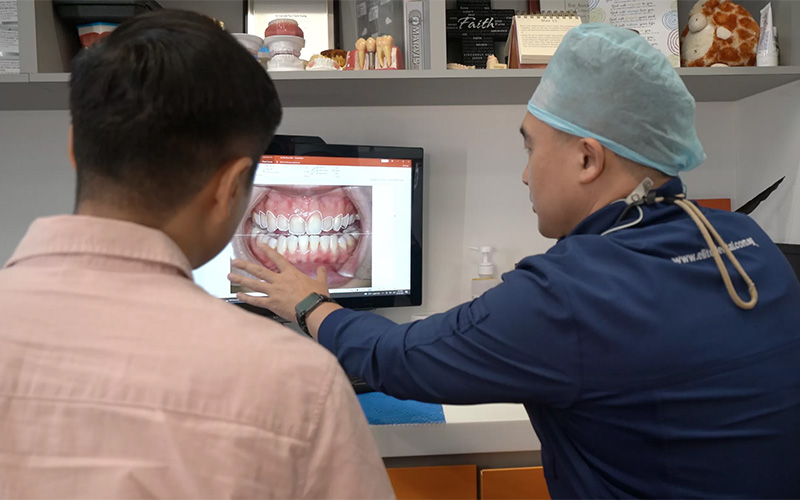
At Elite Dental Clinic, your first appointment will include a detailed consultation to determine whether you have a cracked molar and the extent of the damage.
We may use a combination of approaches, including:
- Symptom review: We ask when the pain occurs, whether it happens during biting or when releasing pressure, and whether hot or cold foods trigger sensitivity.
- Bite testing: We may ask you to bite gently on a small instrument, one cusp at a time. This can help us identify which part of the tooth is causing discomfort.
- Transillumination: A bright light may be shone through the tooth to make certain fracture lines easier to see.
- Magnified examination: We examine the tooth closely under magnification to look for fine or hidden cracks that may not be visible at first glance.
- Staining (where appropriate): In selected cases, a diagnostic dye may help make a fracture line more visible against the surrounding tooth structure.
- Periodontal probing: We check the gum around the tooth for unusually deep, narrow pockets, which can sometimes indicate that a crack has extended further down the tooth.
- Dental imaging: X-rays or, in selected cases, Cone Beam Computed Tomography (CBCT) imaging can help us assess the surrounding bone, root, existing restorations, and signs of infection, even if the crack itself is not clearly visible.
Dental Treatments We May Recommend for a Cracked Molar
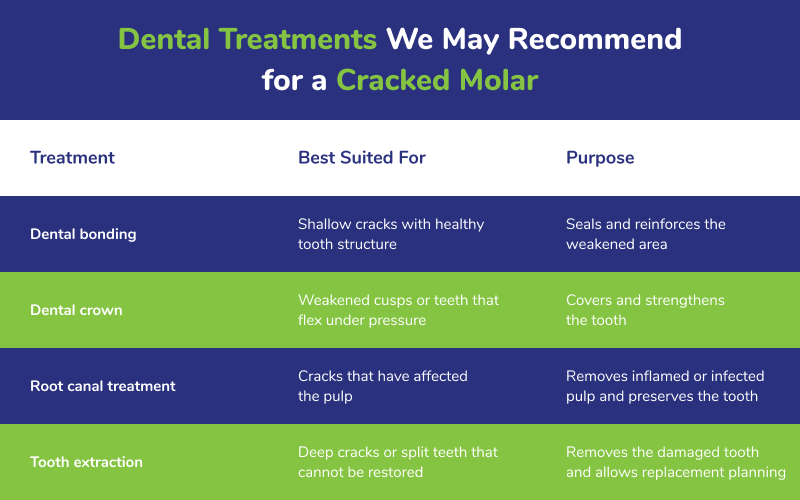
Depending on the findings, we will determine a suitable treatment for your cracked molar. We aim to use the least extensive option that can reasonably protect the tooth, while being clear when a more conservative approach is unlikely to hold up.
Dental Bonding: When the Crack is Limited
Dental bonding involves the use of tooth-coloured resin to seal and reinforce a small weakened area. We typically recommend this treatment when the crack is relatively shallow, the pulp is relatively healthy, and enough sound tooth structure remains to support the restoration. This helps reduce movement around the crack and fortify the damaged area without removing more of the healthy tooth structure than necessary.
Dental Crowning: To Reinforce a Weakened Tooth
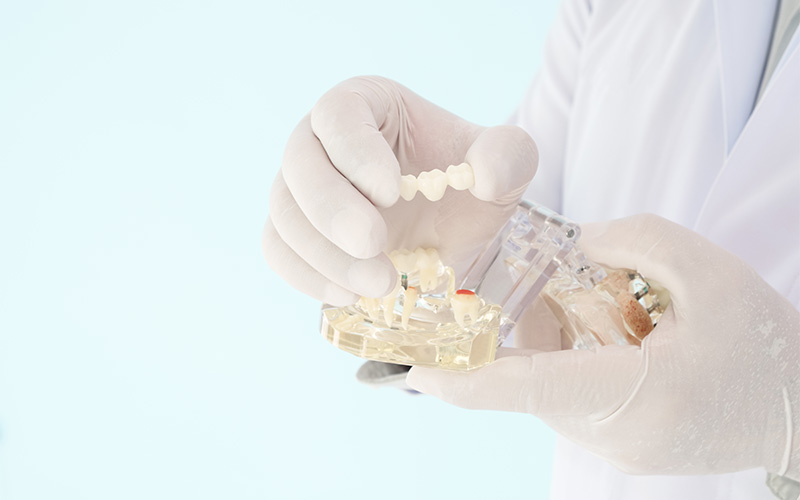
If a cracked molar has weakened cusps or a fracture pattern that allows the tooth to flex under chewing forces, we may recommend a dental crown or another suitable cuspal-coverage restoration.
Unlike bonding, which repairs a more localised area, a crown provides broader protection by covering the weakened chewing surface and helping the cusps function as a single unit. This is particularly useful for molars, which absorb substantial pressure during everyday chewing.
Root Canal Treatment: When the Pulp Cannot Recover
A crown can protect tooth structure, but it cannot reverse irreversible pulpal inflammation. If our tests indicate that the nerves in the tooth have become irreversibly inflamed or infected, we may bring in a root canal specialist to assess whether endodontic treatment can help preserve the tooth.
During root canal treatment, the inflamed or infected pulp is removed, the inside of the tooth is cleaned and disinfected, and the canals are sealed. Once this is completed, the tooth usually needs a protective restoration to help it withstand chewing forces.
Extraction: When the Tooth is No Longer Restorable
Some fractures extend so deeply, or leave so little sound structure, that preserving the tooth is no longer predictable. A tooth that has completely split may also be impossible to retain intact. In these cases, we may look into tooth extraction.
The procedure removes the damaged tooth, so the area can heal. This also avoids leaving behind a tooth that is unlikely to function reliably. After extraction, we will discuss whether to replace the space and, if so, which option best suits your bite and surrounding teeth. Depending on the case, this could include a bridge or dental implant.
Frequently Asked Questions
1. How urgently should I seek treatment for a cracked molar?
We recommend having your molar assessed even if the discomfort is mild or only happens occasionally, as symptoms do not always reflect how deep the crack is. Seek dental attention more promptly if the pain becomes persistent, sensitivity lingers, swelling develops, or the tooth begins hurting on its own or at night. An earlier assessment can help determine whether the tooth can be monitored, stabilised, or needs further treatment.
2. Can a cracked molar affect the tooth next to it?
Not directly, but pain from a cracked tooth can sometimes be difficult to localise, which is why patients may feel that several teeth are involved. If the crack leads to infection or changes in the surrounding tissues, nearby areas can also become tender.
3. Will I be able to visibly detect cracks in my tooth?
No. Many cracks are too fine, too deep, or positioned in a way that makes them difficult to see without magnification or other diagnostic tests. This is why a tooth can look normal while still causing sharp or intermittent symptoms.
Conclusion
With a cracked molar, our priority is to understand whether the tooth can still be preserved reliably before deciding how much treatment it actually needs. A visible crack does not automatically mean a crown, root canal, or extraction, but delaying assessment can narrow the options available later.
At Elite Dental Group, we combine detailed clinical assessment with photographs, imaging, and digital planning tools so patients can see the findings for themselves. For more complex cases, our workflow can also incorporate specialised software, customised 3D printing, and AI-assisted planning to support treatment. Just as importantly, our team is trained to support patients with dental anxiety, providing peace of mind throughout the process.
If you have any concerns or questions about your symptoms, speak to our team today.
 Elite Dental Group