
Key Takeaways
- “Cavity” and “tooth decay” refer to the same condition at different stages, with decay as the process and a cavity as the visible damage.
- As decay progresses, treatment becomes more involved, ranging from preventive care to fillings or root canal therapy.
- Signs to watch for include discolouration, sensitivity, tooth pain, bad breath, and gum changes around a specific tooth.
- Consistent oral care habits and early intervention help reduce the risk of cavity formation and more complex treatment later on.
Introduction

Many people are told they have “tooth decay” at one visit and a “cavity” at another, which can make it feel like two different issues are developing at once. It is a common source of confusion, especially when there are no obvious symptoms in the early stages.
In reality, both terms describe the same condition at different points in its progression. What often starts as early weakening of the tooth can gradually develop into a visible hole if left unchecked. Here, we take a closer look at how this process unfolds, what signs to watch for, and when to seek treatment before it progresses further.
Tooth Decay vs a Cavity: Is There a Difference?
Tooth decay refers to the process by which acids from oral bacteria slowly wear down the enamel of your teeth. This can occur without any pain or visible damage at the start, and is caused by several factors such as:
- Frequent intake of sugary or acidic foods and drinks
- Inadequate brushing and flossing, leading to plaque build-up
- Reduced saliva flow, which limits natural protection against acids
A cavity is what forms when that decay is no longer contained. Once the enamel and dentine have been weakened enough, the tooth structure breaks down and a hole appears. At this point, the damage is irreversible.
Clinically speaking, both “tooth decay” and “cavity” are part of the same condition, known as dental caries.
Exploring the Stages of Tooth Decay
Tooth decay does not happen all at once. It progresses gradually through different stages, often without obvious symptoms at first. Understanding how each stage develops can help you recognise when to act and what kind of treatment may be needed.
Stage 1: Early Demineralisation
The decay process begins when the enamel loses minerals. You may notice faint white or chalky spots on the tooth surface, though these are often easy to miss. At this point, the damage is still reversible with proper care and fluoride support.
Stage 2: Enamel Decay
As the enamel continues to weaken, the surface may start to darken or appear slightly rough. This is where cavity formation may begin, although the damage is still limited to the outer layer. Treatment at this stage is usually straightforward and aims to stop further progression.
Stage 3: Dentine Decay
Once decay reaches the dentine, it tends to spread more quickly. The tooth may become sensitive to hot, cold, or sweet foods. At this stage, a cavity filling is typically required. The decayed portion of the tooth is removed, and the area is restored to protect the remaining structure and restore function.
Stage 4: Pulp Involvement
At this stage, decay reaches the inner pulp, where the tooth’s nerves and blood vessels are located. Patients may begin to experience more noticeable and persistent pain. Treatment often involves root canal therapy, where infected tissue is removed, the inner chamber is cleaned, and the tooth is sealed. In more complex cases, a root canal specialist may be involved to manage the procedure.
Stage 5: Infection and Abscess
If left untreated, the infection can spread beyond the tooth to surrounding tissues, sometimes forming an abscess. This can lead to swelling, severe pain, or systemic complications. Treatment may involve root canal therapy to control the infection, or in cases where the tooth cannot be saved, tooth removal may be necessary to prevent the spread of infection and protect overall oral health.
Signs You Should See a Dentist
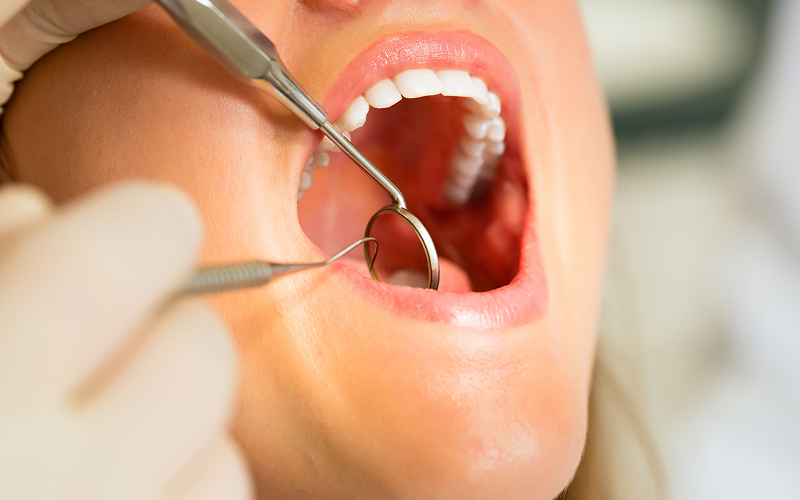
One of the challenges with early tooth decay is that it often goes unnoticed. Many patients do not experience pain until the decay has extended beyond the enamel into deeper layers.
Some early indicators may include:
- Visible spots or holes: White patches in the early stages, or brown, black, or grey areas as decay progresses. You may also notice small pits or holes on the tooth surface.
- Tooth pain: A persistent toothache, or sharp pain when chewing, biting, or consuming hot, cold, or sugary foods and drinks.
- Sensitivity: Increased sensitivity to temperature or sweetness, which may suggest that the enamel or dentine has been affected.
- Bad breath or taste: Ongoing bad breath or a constant unpleasant taste, often caused by bacteria trapped in decayed areas.
- Gum changes: Swelling, tenderness, or bleeding around a specific tooth, which may indicate irritation or infection.
These signs can vary in intensity and may not always appear together. If you notice any of them, it is worth having your teeth assessed early to prevent the issue from progressing further.
How to Prevent Tooth Decay and Cavity Formation
1. Brush Regularly with Fluoride
Brush at least twice a day using fluoride toothpaste, as fluoride helps strengthen enamel and supports the repair of early damage. Pay attention to technique by cleaning along the gum line and reaching the back teeth. Brushing before bed is especially important, since reduced saliva flow at night leaves teeth more vulnerable to acid attack.
2. Limit Sugary and Acidic Foods
Frequent snacking or sipping on sweet drinks throughout the day keeps acid levels high, which accelerates enamel breakdown. Keep sugary and acidic foods to mealtimes and rinse with water afterwards to reduce their impact on your teeth.
3. Floss Daily
Flossing removes plaque and trapped food from between the teeth, where a toothbrush cannot reach. These tight spaces are common areas where decay begins, especially if plaque is left undisturbed over time. Daily cleaning between teeth helps prevent decay from forming in these harder-to-see areas.
4. Consider Dental Sealants
Dental sealants are thin protective coatings applied to the grooves of back teeth, where food and bacteria tend to accumulate. They act as a barrier, making these areas easier to keep clean. Sealants are often recommended for children, but adults with deep grooves or higher risk of decay may also benefit.
Conclusion
For many patients, tooth decay is not something that feels urgent until discomfort starts. By then, the condition may have progressed further than expected. With a greater understanding of tooth decay and cavity formation, you’ll be better able to recognise early changes, respond sooner, and reduce the likelihood of more involved treatment later on.
Elite Dental Group is here to support you with clear guidance and a patient-first approach. For patients who may feel anxious about procedures such as extractions, a full suite of sedation options is available, including IV sedation and general anaesthesia where appropriate. If tooth removal is necessary, immediate bone grafting can also be performed to help reduce the risk of jawbone loss and support long-term oral health.
With more digital health tools available today, you also have more ways to monitor your oral health between dental visits. If you have any questions or concerns about your symptoms, OralLink, an AI-assisted platform co-founded by Dr Gerald, can help you assess potential issues at home and decide whether it is time to see a dentist.
For more information on our approach, contact us today.
 Elite Dental Group