
Introduction
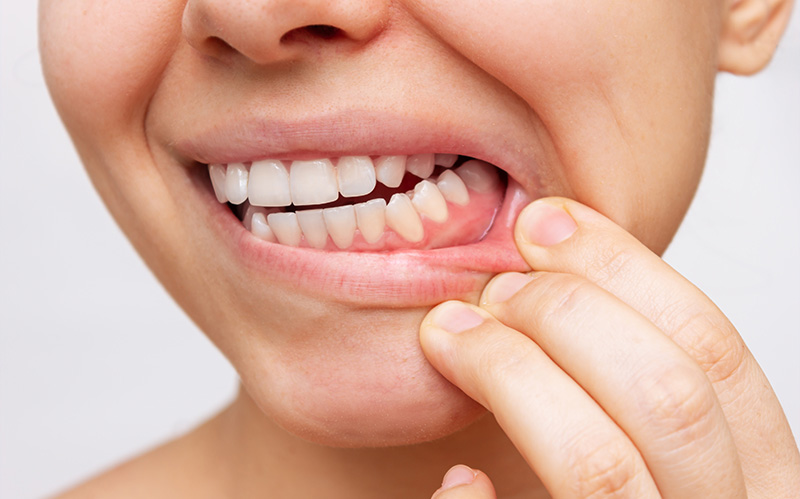
Gum recession is often easy to miss in its early stages. You may notice tooth sensitivity, a tooth that looks slightly longer than before or a darker area near the gumline. For some patients, the change feels sudden. For others, it only becomes noticeable during a dental check-up.
Although many people assume receding gums are simply part of ageing or a cosmetic issue, they may sometimes be linked to underlying oral health problems. In this article, we explain what causes receding gums, when to seek dental help, and what treatment options may be available depending on your condition.
Key Takeaways
- Gum recession can be caused by several factors, including aggressive brushing, tartar build-up, gum disease, trauma, misaligned teeth, tobacco use or oral piercings.
- Receding gums do not usually grow back naturally, so treatment focuses on addressing the underlying cause, reducing sensitivity, and preventing further gum or bone loss.
- Mild or stable cases may be managed with non-surgical options such as professional cleaning, localised antibiotics, dental bonding or orthodontic treatment, depending on the cause.
- More significant gum recession may require gum surgery, such as gum grafting, to protect exposed roots and improve gum coverage.
- If you notice sensitivity, visible tooth roots, bleeding gums, loose teeth or changes in your bite, a dental assessment can help determine the most suitable treatment approach.
What Causes Gum Recession?
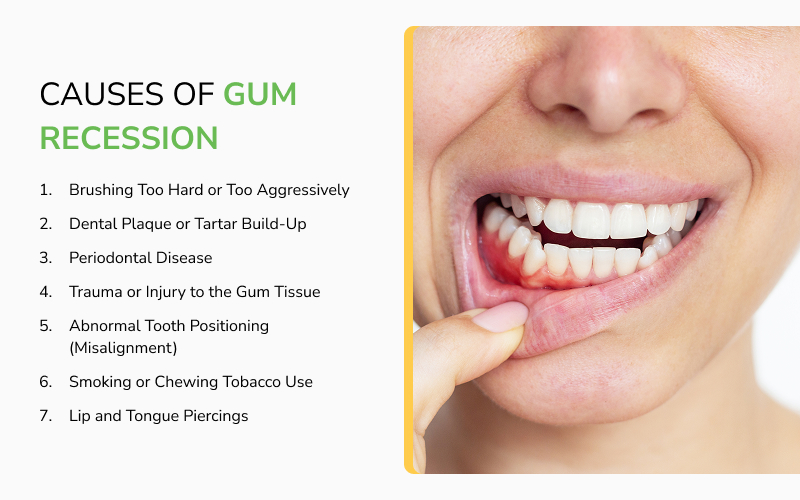
Gum recession can occur for various reasons, and in many cases, multiple factors may be involved.
1. Brushing Too Hard or Too Aggressively
Brushing with too much force can gradually wear down the gum tissue near the teeth. This is more likely to happen if you use a hard-bristled toothbrush or scrub in a harsh back-and-forth motion. Over time, repeated pressure along the gumline may cause the gums to recede, exposing the tooth roots and increasing sensitivity.
2. Dental Plaque or Tartar Build-Up
When plaque is not removed properly through brushing and flossing, it can harden into tartar along the gumline. This creates an environment where bacteria can collect and irritate the gums. As inflammation continues, the gums may begin to pull away from the teeth.
3. Periodontal Disease
Periodontal disease, also known as gum disease, is one of the more common causes of gum recession. It happens when bacterial infection causes ongoing inflammation in the gums and supporting tissues. If left untreated, this can damage the gums, connective tissues and bone around the teeth. As support weakens, the gums may detach and recede, exposing more of the tooth structure.
4. Trauma or Injury to the Gum Tissue
Physical trauma can also contribute to a receding gumline. This may happen from repeated irritation, accidental injury or habits that place stress on the gum tissue. Examples include forceful flossing, sharp objects rubbing against the gums or long-term irritation from dental appliances. Even minor trauma can have a more significant effect when the gums are already thin or inflamed.
5. Abnormal Tooth Positioning (Misalignment)
Teeth that are crowded, tilted or positioned outside the natural bone support may place uneven pressure on the surrounding gums. In some cases, the gum tissue around these teeth may be thinner and more vulnerable to recession. This is why some patients may notice recession around specific teeth rather than across the whole mouth.
6. Smoking or Chewing Tobacco Use
Smoking and tobacco use can affect blood circulation to the gums and reduce the body’s ability to heal from inflammation. Tobacco users also have a higher risk of developing gum disease, which can further worsen gum recession over time.
7. Lip and Tongue Piercings
Lip and tongue piercings may repeatedly rub against the gums and teeth during speaking, chewing or daily movement. Over time, this friction can irritate the gum tissue and contribute to localised recession, especially around the front teeth. Metal jewellery may also increase the risk of minor gum injuries.
When Should You Seek Treatment for Receding Gums?
Gum recession often develops gradually, so many patients may not notice it until symptoms become more obvious. Seeking an early dental assessment can help identify the underlying cause and reduce the risk of further gum or bone loss.
You should consider seeing a dentist if you experience:
- Persistent tooth sensitivity, especially with hot, cold, sweet or acidic foods and drinks
- Visible tooth roots near the gumline
- Bleeding, swollen or tender gums
- Ongoing bad breath or an unpleasant taste
- Pain or discomfort while brushing or flossing
- Loose teeth or changes in your bite
If you are unsure whether your symptoms need attention, you may also use OralLink, an AI-powered platform co-founded by Dr Gerald Tan, to input your symptoms or concerns and better understand whether they may warrant a dental consultation.
Non-Surgical Treatment Options for Receding Gums
While receding gums usually do not grow back on their own, timely treatment can help manage the underlying cause, reduce further progression, and improve comfort.
Your dentist will usually consider non-surgical treatment if the recession is mild, the condition is stable, or the main goal is to manage sensitivity and prevent further gum loss.
1. Topical or Localised Antibiotics
If gum disease is present, your dentist or periodontist may recommend localised antibiotics to help reduce bacteria beneath the gums after deep dental cleaning. These medications are placed directly into deeper gum pockets where bacteria are harder to remove with brushing and flossing alone.
They may help control infection and inflammation in targeted areas, but they are not a standalone treatment for receding gums.
2. Dental Bonding
If the tooth root has become exposed, dental bonding may sometimes be used to reduce sensitivity and improve the appearance of your gums. A tooth-coloured composite material is placed over the exposed root surface to help shield it from temperature changes, brushing friction and external irritation.
This treatment can help reduce root sensitivity and make your receding gums less visible. However, bonding does not restore lost gum tissue or treat the underlying cause of the recession.
3. Orthodontic Treatment
Crowded, tilted or poorly positioned teeth can sometimes place uneven pressure on the gums. In selected cases, orthodontic treatment, such as braces or clear aligners, may help move the teeth into a position that is better supported by the surrounding bone and easier to clean. This can help reduce plaque build-up and lower the risk of further recession.
Surgical Treatment for Receding Gums
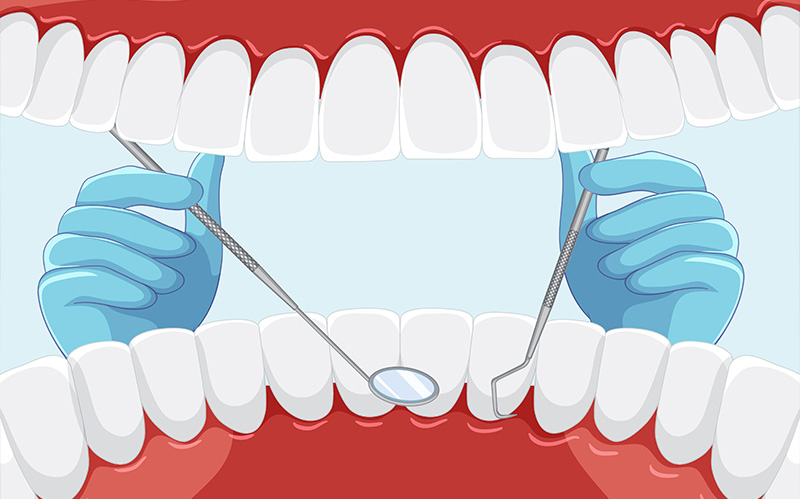
More advanced cases of receding gums may require surgical treatment to help improve gum coverage, thicken the gum tissue or protect the exposed tooth roots. Surgery is usually considered only after your dentist has assessed the cause of the recession and checked that the gums are healthy enough to heal well.
Who is Suitable for Surgical Treatment?
Surgery may be considered for:
- Patients with moderate to severe gum recession
- Individuals with significant root sensitivity or discomfort
- Cases where exposed roots increase the risk of root decay
- Patients concerned about uneven gumlines or cosmetic appearance
However, surgical treatment for receding gums may not be immediately suitable in some situations:
- Active periodontal disease: Ongoing gum infection or inflammation usually needs to be stabilised before surgery is considered.
- Poor oral hygiene: Inadequate plaque control can increase the risk of delayed healing, complications or recurrence of gum recession.
- Smoking or tobacco use: Smoking can affect blood flow and healing, making surgical outcomes less predictable.
- Insufficient keratinised gum tissue: Some grafting techniques may be more challenging when the amount of healthy gum tissue around the affected area is limited.
Different Types of Gum Recession Surgery
The treatment approach depends on the location, severity and pattern of your receding gums, as well as the thickness and condition of the surrounding gum tissue.
1. Connective Tissue Graft (CTG)
This is one of the more common surgical treatments for covering exposed tooth roots caused by receding gums. Tissue is taken from beneath the palate’s surface and placed over the affected area to improve gum coverage and thickness.
CTG may be suitable when the aim is to reduce root exposure, improve gum contour and strengthen thin gum tissue around the tooth.
2. Free Gingival Graft (FGG)
A thin layer of tissue is usually taken directly from the roof of the mouth and attached to the affected area. Unlike CTG, the tissue is taken from the outer surface of the palate.
This technique may be recommended for patients with naturally thin gums or limited keratinised gum tissue, especially when the priority is to build a stronger band of protective gum tissue around the tooth.
3. Pedicle Graft
For a pedicle graft, the adjacent gum tissue is gently repositioned over the exposed root surface, with one edge remaining attached. This means the tissue keeps part of its original blood supply during healing.
This treatment is not suitable for every case of receding gums. It is usually only recommended for patients with sufficient healthy gum tissue adjacent to the affected tooth.
4. Pinhole Surgical Technique (In Selected Cases)
Some dentists may offer a minimally invasive treatment for receding gums, where small instruments are used to loosen and reposition the gums over exposed roots through a tiny opening.
This technique does not usually involve taking graft tissue from the palate, which may make recovery more comfortable for selected patients. However, it is not suitable for every case. Your dentist will need to assess whether the gums can be predictably repositioned and whether the area is healthy enough to heal well after the procedure.
Possible Risks, Side Effects and Complications
As with most types of dental surgery, surgical treatment for receding gums may involve certain risks and side effects. These may include:
- Mild bleeding, swelling or discomfort during the initial healing period
- Temporary tooth sensitivity, especially around the treated area
- Slower healing, particularly in patients who smoke, have active gum disease or struggle with plaque control
- Incomplete root coverage, as the final result depends on the severity of recession, tooth position and supporting tissues
- Infection or graft failure, although these complications are uncommon
- Recurrence of gum recession if contributing factors such as aggressive brushing or periodontal disease are not properly managed
Your dentist will usually explain these risks during the consultation and advise you on how to navigate the healing process after the procedure.
How to Prevent Gums From Receding Further

Gum recession cannot always be completely prevented, especially if you have naturally thin gum tissue or a genetic predisposition. However, good oral care habits can help reduce inflammation, protect the gumline and slow further progression.
1. Brush Gently With a Soft-Bristled Toothbrush
Use a soft-bristled toothbrush and avoid scrubbing aggressively along the gumline. Gentle, controlled brushing is usually enough to clean the teeth without placing unnecessary pressure on the gums.
2. Brush and Floss Consistently
Brush twice a day and floss once daily to remove plaque and food debris from around the teeth and gums. This helps lower the risk of gum inflammation and periodontal disease, both of which can worsen recession.
3. Use an Antimicrobial Mouthwash, If Recommended
Some patients may benefit from an antimicrobial mouthwash to help reduce bacteria around the gums. Your dentist can advise whether this is suitable for you, as not every patient needs it as part of their routine.
4. Attend Regular Dental Cleanings
Schedule regular dental check-ups and professional teeth scaling and polishing based on your dentist’s recommendations. Routine maintenance helps remove tartar build-up and allows early signs of gum recession or gum disease to be monitored.
Frequently Asked Questions About Receding Gums and Treatment
1. Is gum recession always a sign of gum disease?
Not always. Periodontal disease is a common cause of gum recession, but it is not the only one. Aggressive brushing, teeth grinding, smoking, naturally thin gum tissue and misaligned teeth may also contribute.
Some patients develop localised recession around one or two teeth even without advanced gum disease. A dental examination helps identify the cause, so treatment can be planned based on the actual cause of receding gums.
2. Can receding gums affect dental implants or crowns?
Yes. Gum recession can affect both natural teeth and dental restorations. Around crowns, receding gums may expose the edge of the restoration, making it more visible or harder to clean. Around dental implants, gum recession may affect the appearance of the gumline and, in some cases, make parts of the implant restoration more noticeable.
If you notice changes around an existing dental crown or implant, it is best to have the area checked early.
3. Can MediSave be used for gum recession surgery?
Yes, MediSave can generally be used for gum grafting or gum recession surgery in Singapore if the procedure is classified as an eligible surgical dental procedure and is performed at a MediSave-accredited clinic. The claimable amount will depend on the type of procedure and the prevailing MediSave withdrawal limits.
Non-surgical treatments for receding gums, such as routine cleaning, dental bonding and standard periodontal maintenance, are usually not MediSave-claimable. It is best to confirm during your consultation whether the recommended surgery qualifies for MediSave and what your estimated out-of-pocket cost may be.
Conclusion
Your gums play an important role in protecting the roots of your teeth and supporting your long-term oral health. If you have noticed sensitivity and receding gums, a dental assessment can help you understand what is happening and what treatments to explore next.
At Elite Dental Group, we understand that dealing with receding gums and exploring treatment options can be stressful. Our dentists and staff are trained to support patients who feel nervous, anxious or uncertain about dental treatment. From the initial consultation to treatment planning, we take the time to explain your condition clearly, address your concerns, and help you feel more prepared before any next steps are taken.
If you have any questions or concerns, schedule a consultation today.
 Elite Dental Group