Key Takeaways
- Understanding who should get dental implants depends on gum health, bone support, and your body’s ability to heal properly.
- Common signs to consider implants include difficulty chewing, shifting teeth, or a preference for a fixed, non-removable option.
- Some conditions, such as gum disease or bone loss, may delay treatment but can often be addressed with preparatory care.
- A structured consultation, including imaging and health evaluation, helps determine suitability and the most appropriate treatment approach.
Introduction
Dental implants are often seen as a reliable solution for replacing missing teeth, but they are not suitable for everyone. Factors such as gum health, bone support, and healing ability all play a role in determining whether this treatment is appropriate.
This article takes a closer look at who should get dental implants, what to expect, and how to decide if they are the right option for you.
When Should You Consider Dental Implants?
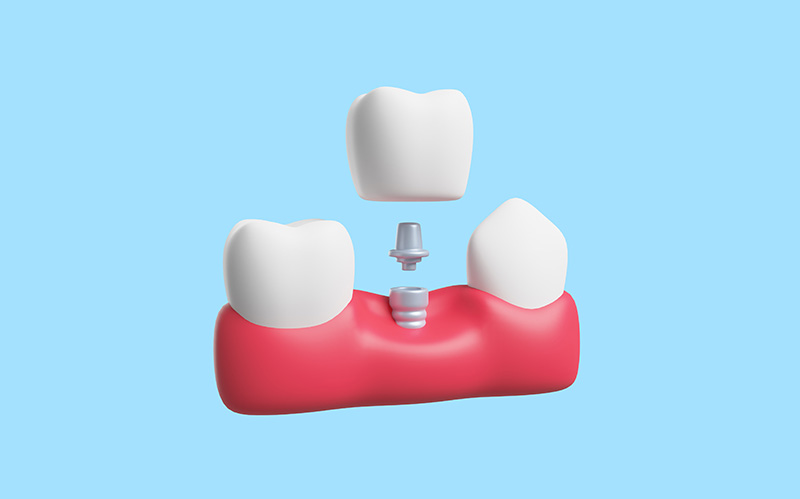
Dental implants are designed to replace the entire structure of a missing tooth, not just the visible portion. A small titanium post is placed into the jawbone to serve as an artificial root, supporting a custom-made crown. This allows the replacement to function similarly to a natural tooth, helping restore chewing function, maintain bone support, and keep surrounding teeth stable over time.
You may want to consider implants if you have:
- Difficulty chewing certain foods
- Changes in speech clarity
- Gaps causing neighbouring teeth to shift or tilt
- Tooth loss after extraction, once healing is complete
- A preference for a fixed, non-removable solution
Who Should Get Dental Implants?
To determine who should get dental implants, dentists will evaluate your gum health, bone support, and healing ability to ensure the implant can remain stable over time.
Patients are generally considered suitable if they have:
- Healthy gums without active periodontal disease
- Sufficient jawbone volume and density to support the implant
- Good overall health that supports normal healing
- Consistent oral hygiene habits
- The ability to commit to regular dental reviews and maintenance
Patients who meet these criteria tend to have more predictable outcomes and smoother recovery after dental implant surgery.
Factors That May Delay Implant Treatment
Some individuals may not be ready for implants immediately, but that does not rule out the option. In many cases, a step-by-step approach is taken to improve conditions first.
Factors that may affect dental implant suitability include:
Untreated Gum Disease or Active Oral Infections
Healthy gums are essential for supporting a dental implant. If there is ongoing inflammation or infection, the surrounding tissues may not heal properly after placement. Dentists will usually recommend treating the gum condition first to reduce the risk of infection and create a healthier environment for the implant.
Significant Bone Loss in the Jaw
Dental implants rely on sufficient bone to stay stable. When bone loss has occurred, often due to prolonged tooth loss, there may not be enough support to hold the implant securely. In such cases, procedures like bone grafting can help rebuild the area and improve the chances of implant success.
Medical Conditions That Affect Healing or Immunity
Certain health conditions, such as uncontrolled diabetes or immune-related disorders, can slow down the body’s natural healing process. This may affect how well the implant integrates with the bone. Dentists typically work with patients to ensure these conditions are well-managed before proceeding.
Heavy Smoking
Smoking can reduce blood flow to the gums, which is important for healing. This may increase the risk of complications after implant placement and affect long-term stability. Patients are often advised to reduce or stop smoking to improve treatment outcomes.
Severe Teeth Grinding (Bruxism)
Teeth grinding places repeated pressure on the jaw and teeth, and studies have shown that this increases the risk of implant failure. Excessive force may interfere with stability over time. Dentists may recommend protective measures, such as a night guard, to help reduce strain on the implant.
In many cases, your dentist will recommend addressing these issues first. Treatments such as gum therapy and bone grafting or lifestyle adjustments may help prepare the mouth for future implant placement.
What Happens During a Consultation?
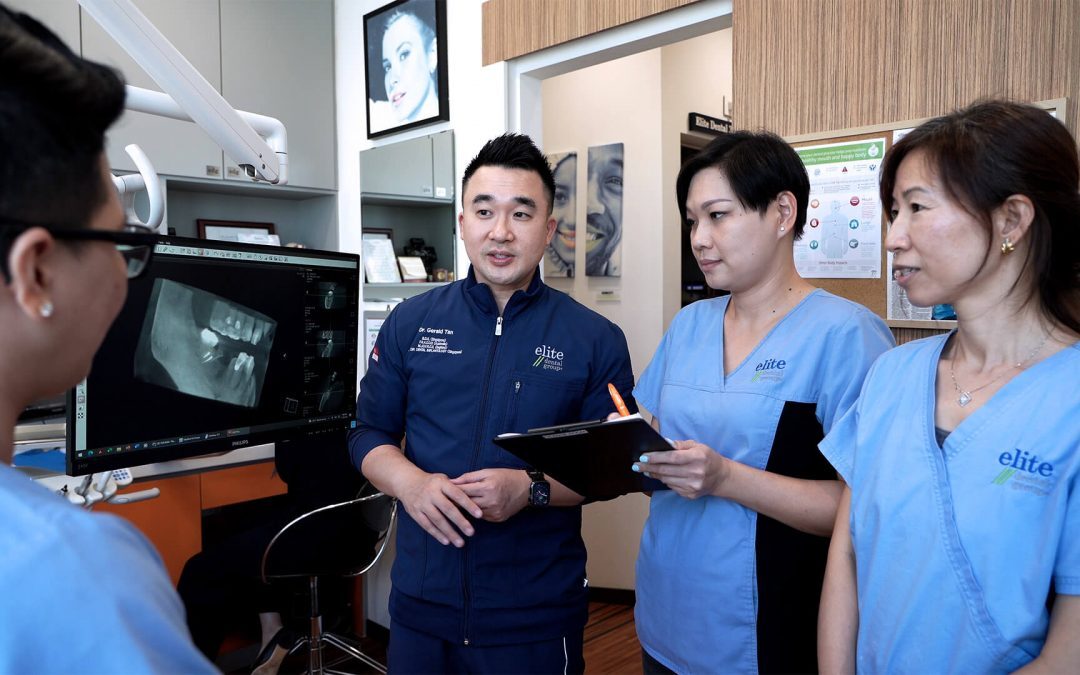
Your dentist will conduct a structured assessment to determine implant suitability and plan the next steps. This typically includes:
- Your overall medical profile and existing health conditions
- Gum health and signs of infection
- Bone structure, density, and volume
- Position of nerves, sinuses, and surrounding anatomy
- Size and location of the missing tooth gap
- Lifestyle factors and habits
Imaging, such as X-rays or 3D scans, will also be used to support the planning process.
Based on these findings, your dentist will not only assess whether implants are suitable, but also recommend the most appropriate type of treatment. This may range from a single tooth implant to more complex options, such as all-on-four implants. The choice depends on factors such as the number of missing teeth, bone availability, and your overall treatment goals.
Alternatives to Dental Implants
Implants are not the only way to replace missing teeth. Depending on your needs and preferences, other options may be considered.
1. Dental Bridges
A dental bridge replaces one or more missing teeth by anchoring an artificial tooth to the neighbouring natural teeth. This option is fixed and can help restore function and appearance. However, it typically requires reshaping the adjacent teeth to support the bridge, which may not always be ideal if those teeth are otherwise healthy.
2. Removable Dentures
Dentures are a more traditional option and can replace multiple missing teeth or a full arch. They are generally more affordable and do not require surgery. That said, they may feel less stable, especially during eating or speaking, and may require adjustments over time.
Conclusion
Deciding who should get dental implants is not about meeting a fixed checklist. Your dentist will need to take a comprehensive picture of your oral health, lifestyle, and expectations to determine whether implants can provide a stable, long-term outcome.
At Elite Dental Group, each case is carefully planned with a patient-first approach. We use a full digital workflow to guide treatment planning and execution, using specialised software, customised 3D printing, and artificial intelligence (AI). For more complex cases, treatment is coordinated by a multidisciplinary team that includes a dental surgeon, periodontist, and prosthodontist, with support from medical doctors and anaesthetists to ensure patients are well prepared for surgery. We also provide IV sedation and general anaesthesia where needed to help patients feel more at ease.
If you are unsure whether implants are right for you, you can learn more about your options through OralLink, an AI platform co-founded by Dr Gerald. This allows you to gain early insights into your condition and decide whether a clinical consultation would be helpful.
Make an appointment with us today.
 Elite Dental Group