
Dental Fillings
Manage cavities and repair teeth affected by decay with dental fillings at Elite Dental Group.
Home > Tooth Fillings
What are Dental Fillings?
Dental fillings are a common treatment used to restore teeth affected by cavities or minor decay. When part of a tooth has been damaged, the decayed area is first removed to stop the decay from progressing. A tooth filling made from a restorative material is then added to the cleaned space, rebuilding its form and function.
Fillings can be made from different materials, such as:
- Composite resin (tooth-coloured)
- Glass Ionomer (tooth-coloured)
- Ceramic or porcelain
- Gold or cast dental alloy
The choice of material depends on factors like the size and location of the cavity, durability needs, and individual preference.
How Do I Know If I Need a Dental Filling?
Tooth decay can show up in different ways depending on how advanced it is. In some cases, you may notice dark brown or black spots on the tooth, or the tooth surface may appear hollowed out, chipped, or partially broken.
In the early stages, however, decay may not be visible or cause any symptoms. Dental X-rays are often needed to detect cavities between teeth, under the gumline, or beneath existing fillings or crowns. At this stage, fillings are usually recommended. In very early cases, however, monitoring or preventative care, such as fluoride varnish or fissure sealants, may be suggested instead.
If decay progresses deeper into the tooth and reaches the nerve (pulp), symptoms like toothache or persistent sensitivity may develop. At that point, procedures such as root canal treatment or extraction followed by replacement, such as a dental implant, may be required instead of a filling.
Why Dental Fillings Are Used
Prevent further decay:
Removing decayed material and sealing the tooth helps prevent bacteria from entering and causing additional damage.
Restore function:
A filling replaces the lost tooth structure, allowing patients to chew and speak normally.
Manage sensitivity:
Cavities can expose the inner layers of a tooth, and fillings can help reduce sensitivity to temperature or pressure.
Maintain tooth structure:
Treating decay early helps preserve as much of the natural tooth as possible.
Support oral health:
Addressing cavities promptly reduces the likelihood of more extensive dental treatment in the future.
Match natural appearance:
Tooth-coloured materials, such as composite resin, may be selected to resemble the surrounding teeth.
How Are Dental Fillings Done at Elite Dental Group?

At Elite Dental Group, we aim to provide dental care in a safe, structured, and professional environment.
1st Visit: Consultation
During the consultation, your dentist will take X-rays and carry out an oral examination to assess the condition of your teeth.
If a filling is required, the available treatment options will be explained, including the types of filling materials and the expected steps of the procedure.
If sedation is requested, your dentist will provide specific instructions on preparation, such as arrival time or fasting requirements.
2nd Visit: Filling Procedure
On the day of treatment, a local anaesthetic is used to numb the area around the affected tooth. The decayed portion of the tooth is then carefully removed, and the cavity is cleaned and shaped in preparation for the filling.
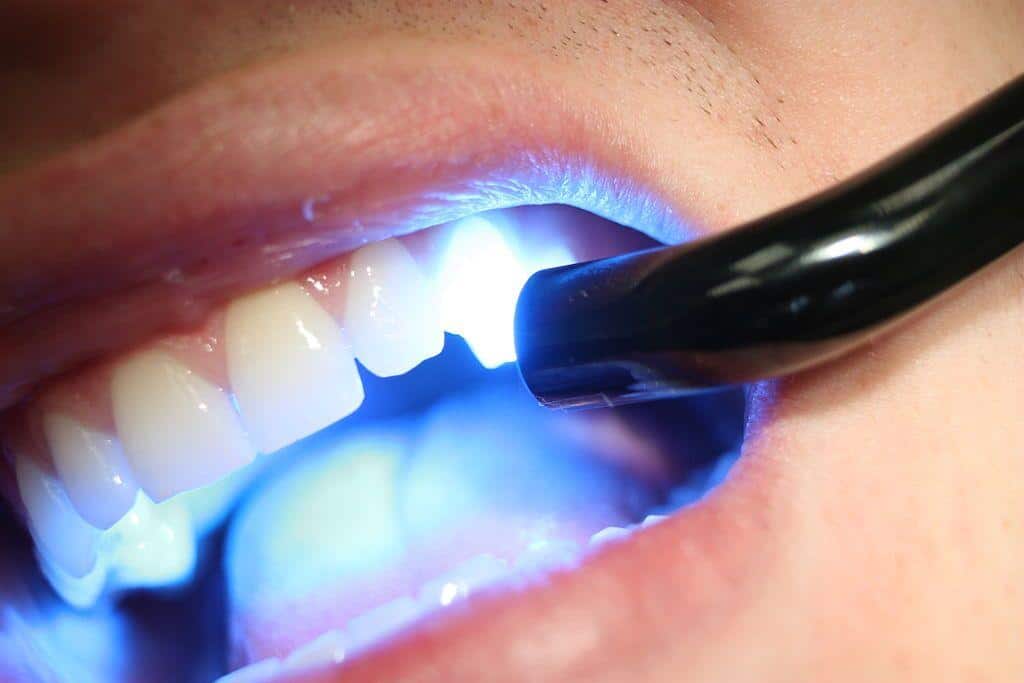
The dentist will select an appropriate filling material based on the size and location of the cavity. The material is applied in layers and hardened using a curing light (for resin-based materials).
Once completed, the filling is trimmed, shaped, and polished to fit naturally within your bite. The bite will also be checked to ensure comfort and proper alignment.
The entire process will take about 30 minutes to an hour, depending on the size and location of your cavity.
How Much Do Dental Fillings in Singapore Cost?
The cost of dental fillings in Singapore depends on factors such as the size and location of the cavity and the type of filling material used. At Elite Dental Group, fees generally range from $200 to $600 per tooth (before GST). Charges are based on the complexity of the procedure rather than the time taken.
Financing Options
Major Banks
We accept interest-free instalment payments from all major banks.
Buy Now Pay Later (BNPL)
We have existing collaborations with BNPL platforms, like Atome and PayLater, to help reduce the upfront expenditure of your dental treatments.
Dental and Corporate Insurance
We are on multiple dental and corporate insurance panels to provide more accessible dental care to you.
Our Approach to Dental Fillings
At Elite Dental Group, dental procedures are carried out with an emphasis on safety, precision, and patient comfort. Our dentists make sure to explain each step of the process clearly, allowing patients to better understand their treatment options.
Our approach includes:
- A patient-focused consultation and treatment plan
- Comprehensive care provided by our clinical team and nursing staff
- Additional support for patients who may feel anxious about dental procedures
Topics About Tooth Fillings
Click on the links below to learn more about dental fillings.
Frequently
Asked
Questions
Got questions? We’ve got answers! Check out our FAQ section for common inquiries and helpful information to guide you.
Should I get a filling or a root canal treatment?
The decision depends on how far the decay has progressed. Dental fillings are typically used when decay is limited to the outer layers of the tooth. If caught early, a filling can restore the tooth’s structure and function.
When decay reaches the pulp (the innermost layer containing nerves and blood vessels), root canal treatment may be required. Signs that a root canal might be needed include persistent toothache, sensitivity to hot or cold, gum swelling, or darkening of the tooth. During a root canal, the infected pulp is removed, the inside of the tooth is cleaned and sealed, and the tooth is then restored with a filling or crown.
In some cases, both treatments are needed: the root canal addresses the infection, and a filling or crown is used to restore strength and shape afterwards. Your dentist will assess the condition of your tooth and recommend the most suitable option.
What is the difference between traditional fillings and biomimetic fillings?
Both are used to repair cavities, but they differ in materials and approach:
- Traditional fillings (e.g., amalgam, composite) restore the tooth by filling the cavity after decay removal. They do not fully replicate the natural properties of a tooth.
- Biomimetic fillings aim to mimic the natural behaviour of teeth more closely. Materials such as special resins or ceramics are used to bond strongly to the tooth and flex under pressure, helping to reduce risks like fractures or leakage.
The best option depends on your specific needs and will be discussed during the consultation.
Should I remove my amalgam fillings?
Amalgam, or silver fillings, have been used for over a century and are made from a blend of metals including silver, tin, copper, and mercury. However, on November 7 2025, under the Minamata Convention on Mercury held in Geneva, more than 150 countries agreed to phase out the use of mercury-based dental amalgam by 2034.
The World Health Organisation (WHO) considers mercury one of the top 10 chemicals of major public health concern, calling it “toxic to human health“. You may wish to discuss replacement if you have concerns, signs of wear, or prefer non-mercury alternatives such as composite or ceramic materials. Elite Dental Group is an amalgam-free practice and provides alternatives such as composite or ceramic fillings.
How long do dental fillings last?
The lifespan of a filling depends on the material used, the size and location of the filling, and oral care habits. On average:
Composite resin (tooth-coloured): 7–10 years
Gold: 15–30 years, though less commonly used today
Ceramic (porcelain): 10–15 years or more
Regular check-ups at our dental clinic in Orchard are crucial. This allows your dentist to monitor the condition of fillings and identify when replacement is needed.
Do dental fillings hurt?
Dental fillings are usually not painful, as the procedure is performed under local anaesthesia that numbs the affected area. You may feel light pressure or vibration during the process, but you should not experience pain.
After the anaesthesia wears off, mild sensitivity to temperature or pressure may occur for a few days, especially with deeper fillings. This is normal and generally subsides as the tooth adjusts. Over-the-counter pain relief can be used if needed.
If discomfort persists beyond a week or increases in intensity, you should contact your dentist for a review.
Do fillings stop cavities?
Yes. Once a filling is placed, it removes active decay and seals the tooth from further bacterial entry. This helps prevent the cavity from spreading deeper into the tooth structure.
However, fillings do not make the tooth immune to future decay. Good oral hygiene, such as brushing twice a day, flossing, and attending regular dental check-ups, is essential to protect both the filled tooth and surrounding teeth from new cavities.
How soon can you brush your teeth after a dental filling?
You can usually brush your teeth the same day after a filling once the numbness from local anaesthesia has completely worn off. Brushing too soon while still numb may cause accidental injury to your cheeks or tongue. It’s best to use a soft-bristled toothbrush and gentle motions around the treated tooth.
If you received a temporary filling, follow your dentist’s specific care instructions, as certain materials may need a few hours to fully set before contact with water or toothpaste.
HOW CAN WE
HELP?
Heading to a dental clinic can be a scary and almost overwhelming experience. If you have landed on our website, we would like to extend our warmest welcome to you and your family. There is nothing to fear!
If you require more information about our costs or are looking for ways to save money on dental treatments, arrange for a consultation with our dentists at a time of your convenience.
Related Dentistry Services
Click To Find Out More
Dental Implants
A long-term solution for replacing missing teeth. Dental implants restore function and appearance by anchoring a replacement tooth securely into the jawbone.
Click To Find Out More
All-on-4 Implants
A full-arch tooth replacement option supported by four implants. Suitable for patients with extensive tooth loss who want a fixed and stable smile.
Click To Find Out More
Wisdom Tooth Removal
Removal of impacted or problematic wisdom teeth to help relieve pain, prevent infection, and protect surrounding teeth.
Click To Find Out More
Root Canal Treatments
Treatment for infected or inflamed tooth pulp. Root canal therapy helps save the natural tooth while helping to relive pain and prevent further complications.
Click To Find Out More
Smile Makeover
A personalised treatment plan that combines multiple cosmetic procedures to enhance tooth shape, colour, alignment, and overall smile aesthetics.
Click To Find Out More
Tooth Extraction
Removal of severely damaged or decayed teeth when preservation is no longer possible.
Click To Find Out More
Scaling & Polishing
Professional cleaning to remove plaque and tartar buildup. This supports gum health and helps prevent cavities and gum disease.
Click To Find Out More
Dental Crown
A protective cap placed over a weakened or heavily restored tooth. Dental crowns help restore tooth strength, function, and natural appearance.
Click To Find Out More
Gum Grafting
A procedure to restore receding gums and protect exposed tooth roots. Gum grafting supports oral health and helps improve long-term tooth stability.
 Elite Dental Group