Key Takeaways
- Gum recession often develops gradually due to a mix of biological, mechanical, and inflammatory factors.
- Lost gum tissue does not grow back on its own, but early intervention may slow or stabilise progression.
- Preventive care and timely treatment can help reduce sensitivity, protect teeth, and support long-term oral health.
- Treatment decisions are guided by health risk and function first, with aesthetics considered once gums are stable.
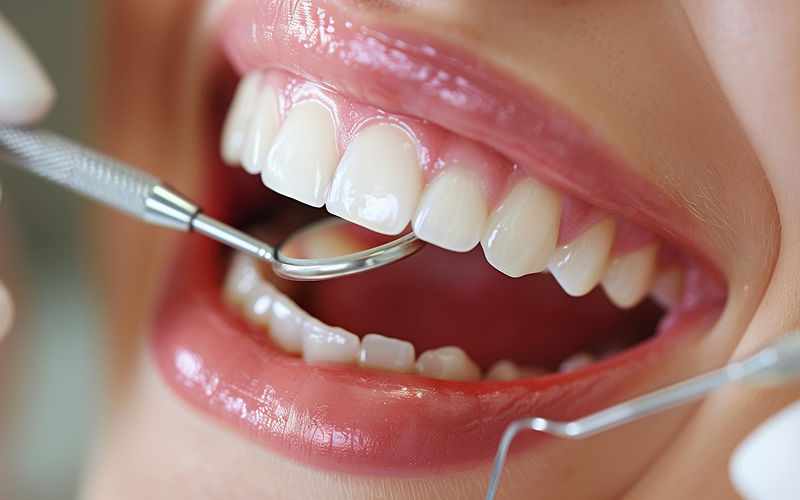
Have you noticed your teeth looking longer than before, or increased sensitivity when you drink something cold or brush your teeth? These are often early signs of gum recession, a common condition that develops gradually and can be easy to overlook.
Many patients may also wonder if there are ways to fix or stop receding gums once these changes appear. The answer depends on what is causing the recession, the severity of the condition, and how early it is addressed.
What Causes Gum Recession?

Gum recession usually develops slowly and is often the result of several overlapping factors rather than a single issue.
1. Chronic Inflammation From Plaque and Gum Disease
Plaque is a sticky film of bacteria that constantly forms on teeth. When it is not adequately removed, especially along the gum margin, the gums respond with inflammation. Over time, this chronic irritation can weaken the supporting structures that hold the gums tightly against the teeth. This causes the gums to gradually pull away and results in tissue loss.
In the early stages, inflammation may cause mild redness or bleeding rather than pain. Left unmanaged, gum recession caused by inflammation can progress and affect bone support around the teeth.
2. Mechanical Trauma From Brushing
While brushing is essential for oral health, excessive force can be harmful. Using a hard-bristle toothbrush and vigorous scrubbing may slowly erode gum tissue over time. This type of recession often appears along the outer surfaces of the teeth and may affect only certain areas.
3. Bite-Related Stress and Teeth Grinding
Uneven bite forces, clenching, or grinding place excessive pressure on specific teeth. Over time, this stress may affect the surrounding gum and bone, leading to localised recession around those teeth.
Patients who grind their teeth may not be aware of the habit, especially if it occurs during sleep. Signs such as jaw tension, tooth wear, or localised gum recession can indicate that bite-related forces are contributing to the problem, even when your oral hygiene is otherwise good.
4. Biological Factors Such as Age and Genetics
Some people are naturally more prone to gum recession because of thinner gum tissue, crowded or prominent teeth, or inherited differences in gum and bone structure. The way these factors appear may also change with age:
- Young adulthood (Ages 18 to 34): Recession is often localised around a few teeth and may be linked to thin gum tissue, tooth alignment or previous orthodontic treatment.
- Mid-life (Ages 35 to 49): Years of brushing pressure, clenching or teeth grinding may become more noticeable as gum tissue gradually loses some resilience.
- Later middle age (Ages 50 to 64): Slower tissue repair and age-related changes may make the gums more vulnerable to inflammation and minor trauma.
- Older adulthood (Age 65 onwards): Dry mouth, medication use, reduced dexterity when cleaning, and cumulative gum disease may contribute to more widespread recession.
These patterns are not fixed, and gum recession is not an inevitable part of ageing. However, people with naturally thin gums or other risk factors may benefit from closer monitoring, gentler oral care, and earlier treatment when changes are detected.
Can You Fix or “Reverse” Receding Gums?
When it comes to treatment for receding gums, it is important to set realistic expectations.
Once the gums have receded, the body cannot naturally regenerate the lost tissue on its own. This means there is currently no non-surgical method that can fully restore gums to their original position.
However, early-stage recession can often be stabilised. Addressing contributing factors such as inflammation, brushing habits, or excessive bite forces may help slow or stop further progression.
Tips for Preventing Gum Recession
1. Adopt Gentle Brushing Techniques
Focus on cleaning the gumline without scrubbing it. A soft-bristled toothbrush used twice daily with light pressure is usually sufficient. Angle the brush slightly towards the gums and use small circular motions, spending extra time along the gum margin rather than brushing harder. If you notice your toothbrush fraying quickly, it is often a sign that too much force is being used.
2. Manage Gum Inflammation Early
Do not ignore early signs such as bleeding when brushing, persistent bad breath, or mild gum tenderness. These symptoms often indicate inflammation that can be managed before permanent damage occurs. Attending regular dental reviews and timely dental cleaning appointments also allows plaque build-up to be removed in areas that are difficult to clean at home.
3. Reduce Mechanical Stress on Teeth
Pay attention to habits that place repeated pressure on your teeth, such as clenching during stress, grinding at night, or chewing predominantly on one side. Jaw tightness, frequent headaches, or uneven tooth wear can signal excessive bite forces. A dental assessment can help identify whether bite-related stress is contributing to gum strain, and appropriate measures may be discussed to reduce ongoing pressure on vulnerable areas.
Treatment and Aesthetic Options to Fix Receding Gums
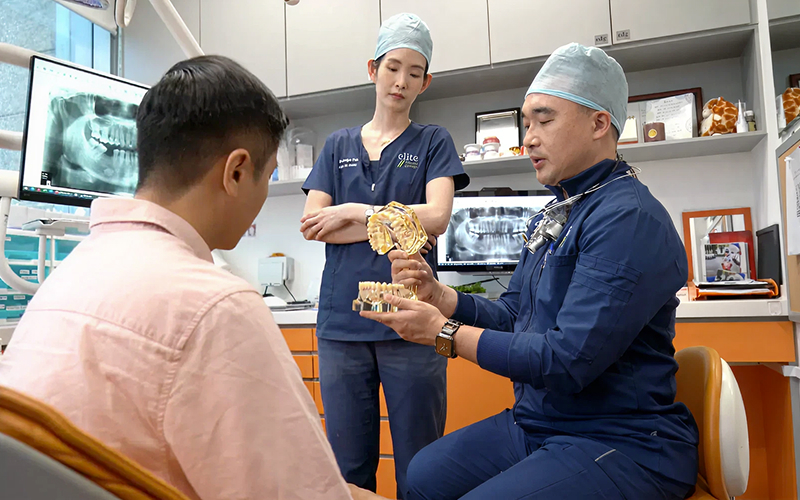
There is no single approach to gum recession treatment. The primary goal is to stabilise gum health and protect tooth structures, with aesthetic considerations addressed only when appropriate.
1. Non-Surgical Periodontal Care
For mild to moderate gum recession linked to plaque build-up or gum inflammation, non-surgical periodontal treatment focuses on reducing bacteria, controlling inflammation and supporting gum stability. Depending on the condition of the gums, treatment may include the following:
Scaling
Scaling removes bacterial plaque and hardened tartar from above and below the gumline. Dentists may use hand instruments and ultrasonic scalers to clean areas that cannot be easily reached through brushing and flossing.
Root Planing
Root planing smooths rough or contaminated areas along the tooth roots. This can make it more difficult for plaque and bacteria to accumulate and may help the surrounding gum tissue heal more closely around the teeth. This can help improve shallow gum recession.
Adjunctive Periodontal Therapies
Additional treatment may be considered when inflammation or infection requires further management. Depending on the case, this may include localised antimicrobial treatment, prescription mouth rinses, or antibiotics. These measures are typically used alongside thorough cleaning rather than as a replacement for it.
Non-surgical care cannot regrow lost gum tissue, but it may help stabilise the gums, reduce inflammation and lower the risk of further recession.
2. Gum Grafting Procedures
Gum grafting may be considered when recession has exposed the tooth roots, caused sensitivity, or left the gums too thin to properly protect the teeth. Your dentist or periodontist will recommend an appropriate technique after assessing the amount of gum recession, the condition of the surrounding gums and bone, and the treatment goals.
Connective Tissue Graft
A connective tissue graft, or subepithelial connective tissue graft (SCTG), uses a thin layer of tissue taken from beneath the surface of the roof of the mouth. The tissue is placed over the exposed root and secured beneath the surrounding gums. This approach is commonly used to improve root coverage and increase gum thickness.
Free Gingival Graft
A free gingival graft takes a small piece of tissue directly from the surface of the roof of the mouth. It is usually used to strengthen areas with naturally thin gums or insufficient protective tissue, rather than primarily to cover an exposed root.
Pedicle Graft
A pedicle graft uses gum tissue next to the affected tooth. The tissue remains partly attached to maintain its blood supply, then is repositioned over the exposed root and secured with stitches. This option is generally suitable only when there is enough healthy gum tissue near the treatment area.
3. Aesthetic Gum Contouring
Once your gum health has been assessed and stabilised, your dentist may consider aesthetic contouring when uneven gum levels affect the balance or symmetry of the smile.
While this does not restore gum tissue lost through recession, this procedure reshapes selected areas of excess or irregular gum tissue. It is usually planned conservatively as part of a wider smile makeover.
Laser Gum Contouring
A dental laser may be used to remove and reshape small amounts of gum tissue. The laser also seals blood vessels as it works, which may help reduce bleeding and swelling during recovery.
Traditional Scalpel Contouring
For some cases, the dentist may use a scalpel to carefully remove excess gum tissue and create a more even gumline. The tissue may then be repositioned and secured with stitches while it heals.
Crown Lengthening With Bone Reshaping
When the underlying bone affects the position or stability of the gumline, crown lengthening may be required. This involves reshaping a small amount of gum tissue and, where necessary, the supporting bone to expose more of the tooth and create a stable contour.
The appropriate method depends on the amount of tissue involved, the position of the bone and the desired outcome. Gum contouring is only considered when the gums are healthy enough for treatment and when removing tissue will not increase the risk of further recession.
Conclusion
Deciding whether and how to fix receding gums starts with understanding what is possible and what matters most for long-term oral health. While gum tissue cannot grow back on its own, early assessment and appropriate care may help support gum stability and protect teeth from further changes.
Treatment costs depend on the procedure and number of teeth involved. As a general guide in Singapore, root planing may cost around S$150 to S$300 per quadrant, while gum grafting or other periodontal surgery may range from approximately S$800 to more than S$2,000. More complex treatment involving several teeth, grafting materials or bone reshaping may cost more.
At Elite Dental Group, we take a patient-first approach that prioritises your comfort. Our team is trained to support patients with dental anxiety, creating a calm and reassuring environment while guiding you through each step.
For smile makeover treatments, we use a full digital workflow powered by modern software, customised 3D printing, and artificial intelligence (AI) to support planning and execution. Patients also receive personalised support, including the opportunity to meet our ceramic technician and artist to refine the shape, shade, and overall aesthetics of their restorations for a customised result.
Contact us today to book a complimentary 5–10 minute teleconsultation or schedule an in-clinic assessment.
 Elite Dental Group