
Key Takeaways
- Teeth pain when chewing is not normal and often signals an underlying dental issue that should be assessed early.
- Common causes include cracked teeth, deep decay, bite imbalances, and problems with existing restorations.
- Pain triggered by biting pressure is different from general sensitivity and usually requires targeted treatment.
- Early diagnosis can help prevent further complications and reduce the need for more complex procedures later.
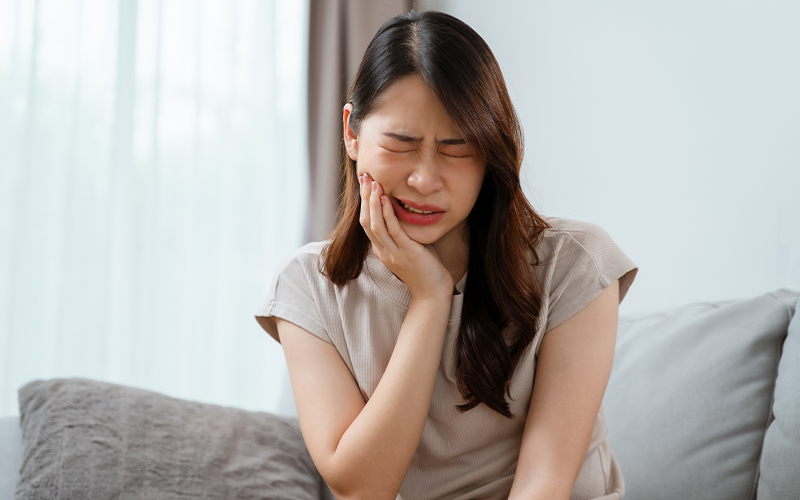
Have you been experiencing teeth pain when chewing and wondering whether it is something to be concerned about? When discomfort appears only while biting down, it is easy to dismiss it as temporary. In reality, this type of pain commonly reflects an underlying issue with the tooth, bite, or surrounding tissues that may worsen without timely care.
Common Causes of Teeth Pain When Chewing
1. Cracked or Damaged Teeth
Bite-related tooth pain may be due to a cracked or fractured tooth. These cracks are often microscopic and may not be visible during routine self-checks. Despite appearing intact, the tooth structure may flex slightly under pressure, triggering sharp pain when biting.
As the crack progresses, patients may notice pain when biting down or releasing pressure, which can be mistaken for a general toothache. Left untreated, the cracks can deepen and compromise the tooth further, potentially increasing the likelihood of infection.
2. Deep Decay or Infection
Cavities that extend beyond the enamel into deeper layers of the tooth can cause pain when chewing or biting down. The pressure from biting can irritate inflamed tissue within the tooth, especially when decay approaches the nerve.
Patients may experience lingering sensitivity, swelling, or discomfort that worsens over time. In certain cases, infection may develop within the pulp, making pressure from chewing particularly uncomfortable. This type of pain often does not resolve without professional treatment and can progress silently even if symptoms fluctuate.
3. Problems With Fillings or Crowns
Existing restorations can also contribute to pain when biting down. A dental filling or crown that is slightly too high, worn, loose, or damaged can alter how pressure is distributed during chewing, leading to discomfort. This issue may arise after recent restorations or years after placement due to wear.
4. Bite Issues and Teeth Grinding
An uneven bite or chronic teeth grinding can place excessive force on certain teeth. Over time, this repeated stress may cause pain, even in teeth that appear otherwise healthy. Moreover, when bite alignment is not evenly balanced, specific teeth absorb more pressure than they are designed to handle, increasing the risk of cracks, sensitivity, and pain. Symptoms often include jaw tightness, worn tooth surfaces, and discomfort when chewing.
5. Gum or Bone Inflammation
Pain when chewing does not always come from the tooth itself. Inflammation or infection in the gums or supporting bone can make pressure feel uncomfortable or painful. Swelling, tenderness, or a bad taste near the affected area may be present, and early treatment is important to prevent further bone loss and long-term tooth instability.
When Should You Get Your Teeth Checked?
Occasional sensitivity may not always be a cause for concern, but teeth pain when chewing should not be ignored. See a dentist if you notice any of these signs:
- Sharp, persistent, or worsening pain when biting down
- Discomfort that occurs mainly on one side of the mouth
- Swelling, tenderness, or sensitivity in the gums near the painful tooth
- Increased sensitivity to hot or cold that lingers
- A bad taste or unusual sensation around the affected tooth
Treatment Options for Bite-Related Pain
Your dentist will typically assess bite contact, tooth stability, existing restorations, and tissue health to determine the cause of your pain and the appropriate course of treatment. This may include:
1. Bite Adjustment
If your pain is caused by uneven contact between the upper and lower teeth, bite adjustment may be recommended. During this process, the dentist assesses how your teeth come together when you bite and chew, using marking tools to identify areas under excessive pressure. Small adjustments are then made to rebalance the bite, helping distribute chewing forces more evenly and improve comfort. This procedure is conservative and usually completed in a single visit.
2. Replacement of Fillings or Crowns
If an existing filling or dental crown has been worn down, loosened, or fractured, your dentist may choose to replace it entirely. They will remove the old restoration, reassess the teeth, and shape a new filling or crown to integrate with the surrounding teeth. This helps restore proper bite alignment, protects the underlying tooth structure, and reduces ongoing stress that could lead to cracks or further decay.
3. Root Canal Treatment
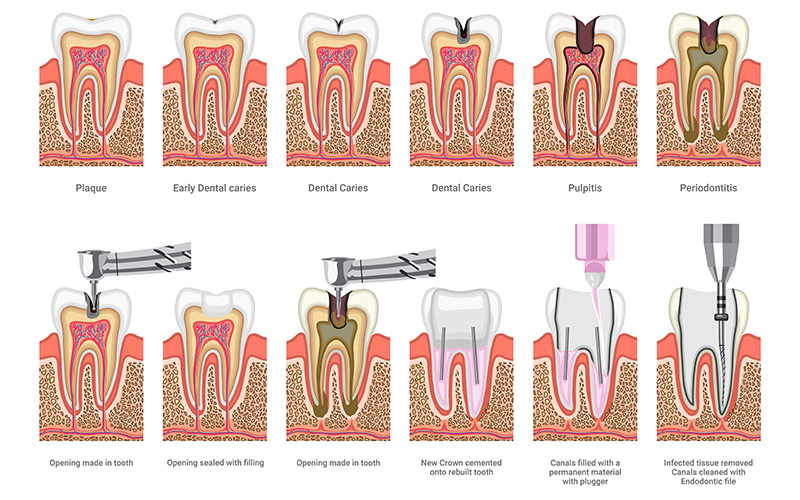
When your pain is caused by deep decay or infection affecting the tooth nerve, you may be referred to a root canal specialist. This procedure removes infected or inflamed tissue from inside the tooth, relieving internal pressure that becomes noticeable during chewing. After treatment, the tooth is sealed to prevent reinfection. The procedure is typically carried out under local anaesthesia.
4. Dental Crowns or Onlays
Teeth that are cracked, heavily restored, or structurally weakened may benefit from reinforcement rather than simple repair. Crowns or onlays cover and support the remaining tooth structure, helping prevent further fracture when pressure is applied. By stabilising the tooth, these restorations can help improve long-term durability and restore bite function.
Conclusion
If tooth discomfort has started to affect how or what you eat, visiting a dentist early can help prevent further issues. Teeth pain when chewing is rarely something to ignore, and timely assessment often allows issues to be managed more conservatively.
At Elite Dental Group, we focus on understanding the source of your discomfort and guiding you through the appropriate next steps at a pace you are comfortable with. Our team is trained to support patients with dental anxiety, taking care to create a calm and reassuring experience throughout your visit.
If procedures like extractions are needed, we also offer a range of sedation options, including IV sedation and general anaesthesia where clinically appropriate, to help you feel more at ease. Where indicated, immediate bone grafting may also be performed at the extraction site to support healing and reduce bone loss after tooth removal.
To help you decide whether an in-clinic visit is needed, we offer a complimentary 5 to 10-minute teleconsultation where you can discuss your symptoms and concerns with no obligation. Contact us today.
 Elite Dental Group