
Key Takeaways
- Dental implants are designed for long-term use, but their longevity depends on consistent daily care and regular professional reviews.
- Gentle brushing, thorough interdental cleaning, and using oral care products can help protect the gums and implant surfaces.
- Everyday habits such as teeth grinding, diet choices, and smoking can affect implant stability and should be managed carefully.
- Regular dental reviews, typically every six months, help detect early changes around the implant before they develop into more complex issues.
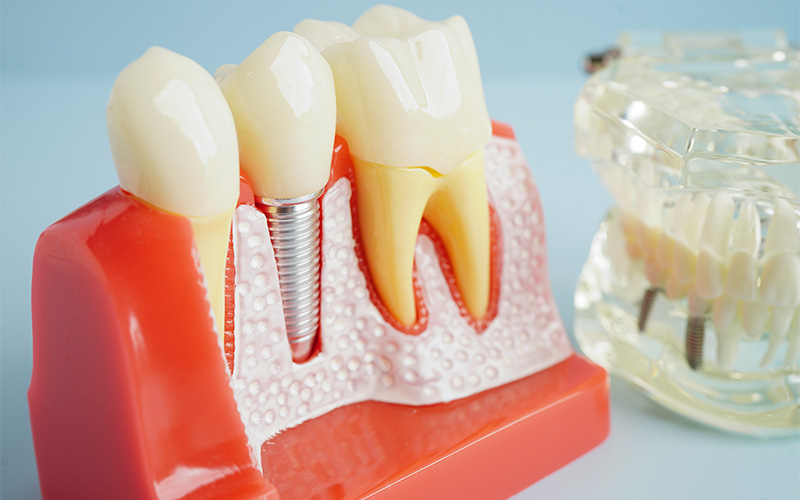
Dental implants are designed for long-term use, but ongoing care is crucial for their longevity. Proper implant aftercare includes everyday cleaning, small lifestyle adjustments, and regular dental reviews to support gum health and comfort.
Below, we explore practical tips for taking care of your dental implants, from daily oral hygiene routines to long-term maintenance habits.
Tips for Daily Care and Oral Hygiene
1. Brush and Clean Around Implants Regularly
Your dental implants should be brushed at least twice daily using a soft-bristle toothbrush. Gentle but thorough brushing helps remove plaque without irritating the gums. Give special attention to the implant crown and the gum line, as plaque tends to accumulate where the restoration meets the tissue.
2. Flossing and Interdental Cleaning
Floss, interdental brushes, or water flossers help clean areas a toothbrush cannot reach. They are particularly useful around implant restorations, where food debris and plaque can collect near the gum line. Taking care of your dental implants with regular interdental cleaning helps reduce inflammation and supports healthy healing around the area.
3. Choose the Right Oral Care Products
Use non-abrasive toothpaste to avoid wearing down implant restorations over time. Alcohol-free mouth rinses are generally preferred, as they are gentler on the gums and surrounding tissues. If you are unsure which products are suitable, your dentist can recommend options based on your oral condition and implant type.
Everyday Habits That Affect Implant Longevity
1. Manage Teeth Grinding and Clenching
Teeth grinding or clenching places repeated stress on dental implants. Unlike natural teeth, implants do not have ligaments that absorb pressure. Over time, excessive force may affect the implant or the surrounding bone. If you grind your teeth, your dentist may recommend a custom night guard to protect the implant during sleep.
2. Diet and chewing habits
In the early stages after implant placement, avoid very hard or sticky foods that may strain the implant restoration. Even after healing, chewing ice or eating hard sweets may increase the risk of damage. Maintaining mindful chewing habits is crucial for taking care of your dental implant and crown, preserving their integrity.
3. Smoking and oral health
Smoking can interfere with healing and increase the risk of inflammation around the implants, potentially affecting their long-term stability. Your dentist may advise you to cut down or stop smoking entirely to support healthier tissues and more predictable outcomes.
How Often Should You Visit the Dentist for Your Implants?
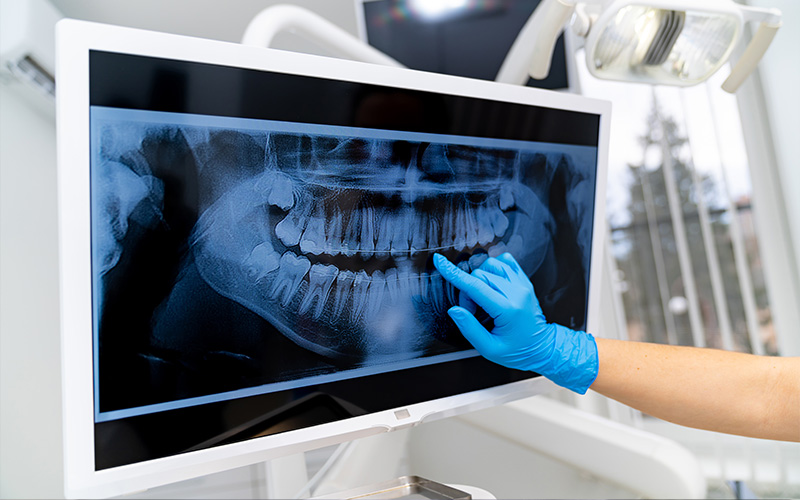
Aside from taking care of your dental implants, it’s also important to attend follow-up sessions with your dentist. The recommended visit frequency usually follows a structured timeline.
In the first year after implant placement, we advise most patients to attend follow-up visits every three to six months. This allows your dentist to assess healing, review oral hygiene, and ensure the implant and restoration are functioning as intended. This frequency may be adjusted based on factors such as your oral hygiene, overall health, and the design of the implant restoration.
After the first year, maintenance visits are commonly scheduled every six to twelve months for patients with stable implants and healthy gums. However, some individuals may benefit from more frequent reviews. Patients with a history of gum disease, diabetes, smoking, or other risk factors may require shorter recall intervals to support ongoing stability.
Why Proper Implant Care Matters
Dental implants are designed to be durable, but they still rely on healthy gums and bone for long-term support. Without consistent care, problems can develop gradually and may not be obvious at first.
What Can Happen Without Proper Care
Poor implant care may lead to:
- Plaque and bacteria build-up around the gum line, increasing the risk of inflammation
- Gum irritation or bleeding, especially during brushing or flossing
- Discomfort when chewing or changes in bite sensation
- Progressive tissue changes around the implant, which may require further treatment if left unaddressed
Early Warning Signs to Watch Out For
Seek a dental review if you notice any of the following:
- Redness or swelling around the gum line
- Bleeding during brushing or flossing
- Persistent discomfort or tenderness near the implant
- A change in how the implant feels when biting or chewing
Why Proactive Care Makes a Difference
Many implant-related issues develop slowly and may not cause pain in the early stages. Regular cleaning and timely dental reviews can help:
- Detect early changes before they worsen
- Maintain healthy gum tissue around the implant
- Support long-term comfort and function
Taking care of your dental implants through daily hygiene, sensible habits, and professional monitoring helps protect both the implant and the surrounding tissues over time.
Conclusion
Caring for your implants is an ongoing commitment for comfort, function, and long-term gum health. Consistent daily care, mindful habits, and regular dental reviews can help protect the implant and surrounding tissues, reducing the likelihood of avoidable complications. Given that the cost of dental implants is often an investment for many patients, proper maintenance also plays an important role in preserving treatment value over time.
At Elite Dental Group, a dental clinic in Orchard, we take a patient-first approach to dental implant care. All implant procedures are performed using plasma activation technology to support healing and help reduce the risk of complications.
Complex cases are managed through a multidisciplinary approach involving a dental implant surgeon, periodontist, and prosthodontist, with support from medical doctors and anaesthetists where needed. We also provide IV sedation and general anaesthesia options to help patients feel more at ease during treatment.
For more information, contact us today.
 Elite Dental Group