Sleep Apnea
Sleep Apnea Causes
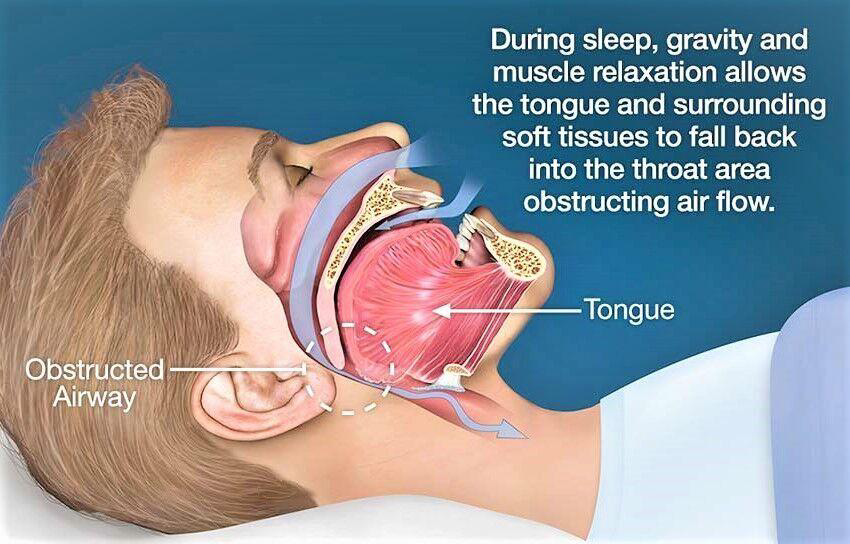
Obstructive sleep apnea (OSA) is a common sleep disorder where the sleeper momentarily stops breathing due to complete or partial upper airway obstruction or a narrow upper airway.
Excess tissues in the throat can collapse, obstructing the airway. This upper airway obstruction causes breathing to stop (apnea) causing snorting or choking sounds as you try to breathe. When oxygen levels drop, heart rate and blood pressure increases (hypertension).
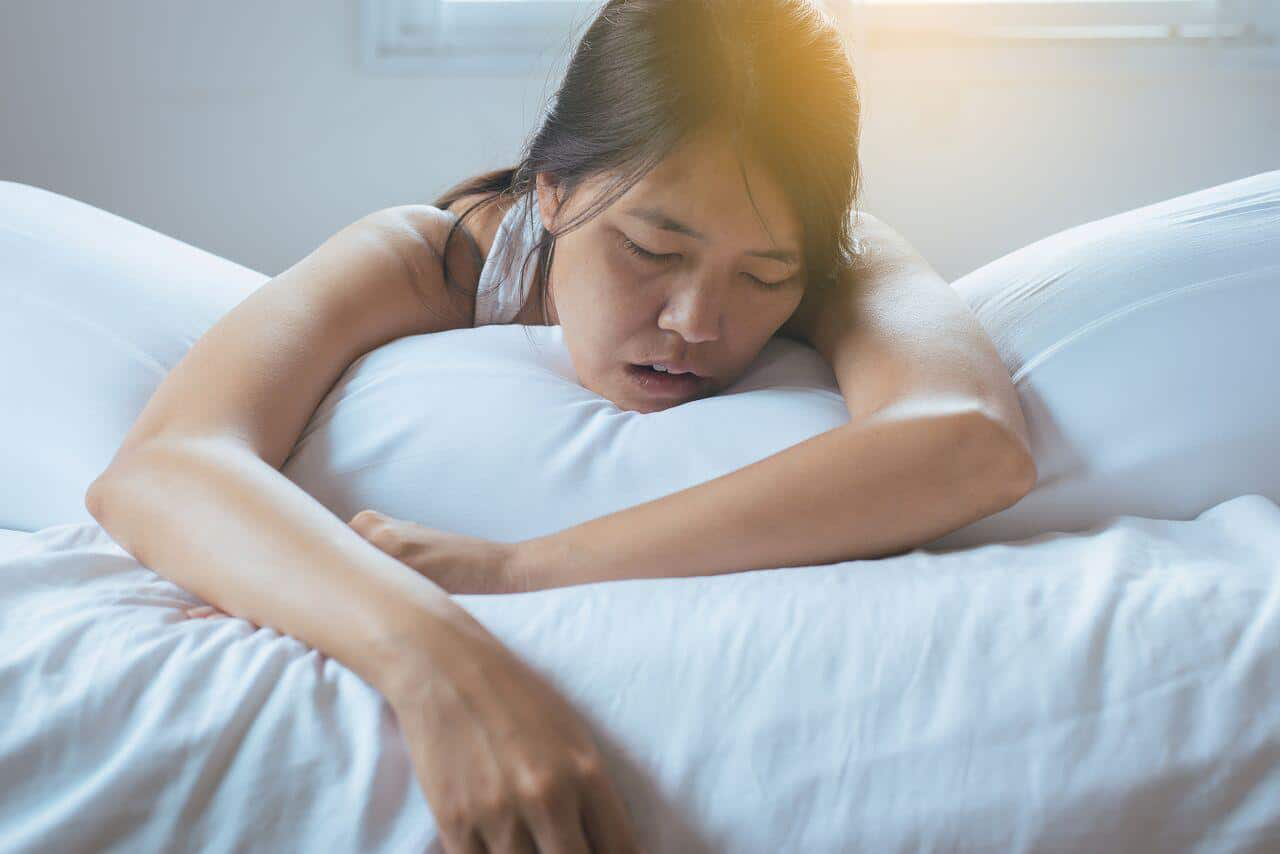
In some people, nocturnal tooth grinding (sleep bruxism) can occur together with sleep apnea. In mild apnea, sleep bruxism may be the earliest sign of airway restriction.
Snoring from Obstructive Sleep Apnea (OSA)
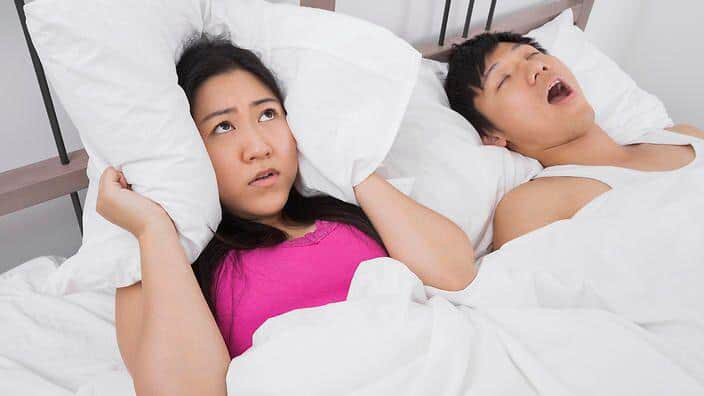
Snoring is the sound caused by the vibration of the tissues in the nose, mouth and throat.
How do I know whether I have Obstructive Sleep Apnea (OSA)?
Have you been told that you have any of the following:
During the day:
- Excessive sleepiness or tiredness
- Poor concentration
- Poor memory
- Morning headaches
- Dry mouth/throat upon awakening
- Mood changes
- Irritability
During the night:
- Choking sensation at night
- Gasping for air at night
- Frequent awakening
- Frequent urination
- Loud snoring
- Teeth Grinding
Is sleep apnea dangerous?
The wee hours of the morning are the most dangerous for people with obstructive sleep apnea. Between midnight and 6am, patients with sleep apnea are 6 times more likely to die from a stroke or a heart attack triggered by chronic high blood pressure and low blood oxygen can trigger.
Patients with sleep apnea have shorter life expectancy compared to people without sleep apnea.
How is sleep apnea treated?
Patients with sleep apnea may have a “global” problem, i.e. obesity, or a “local” anatomical problem (those with huge tonsils, long thick palate, big tongue and/or a small jaw).
General tips to improve OSA:
- weight loss
- exercise
- regular close follow up
BMI, neck circumference, oral cavity adequacy, tonsil size, palate size / length, tongue size, upper airway assessment, and the nasal passage size are assessed to guide treatment.
Treatment of snoring and sleep apnea may be non-surgical and/or surgical.
Non Surgical Management
Oral appliances for sleep apnea and bruxism
Oral appliances are designed to widen the airway. Oral appliances are useful if you cannot have surgery, or are unable to tolerate CPAP.
Mandibular Advancement Devices (MAD) clip on to the upper and lower teeth and reposition the lower jaw forwards.
More patients are able to tolerate regular continued use of MADs compared to CPAP (see below).
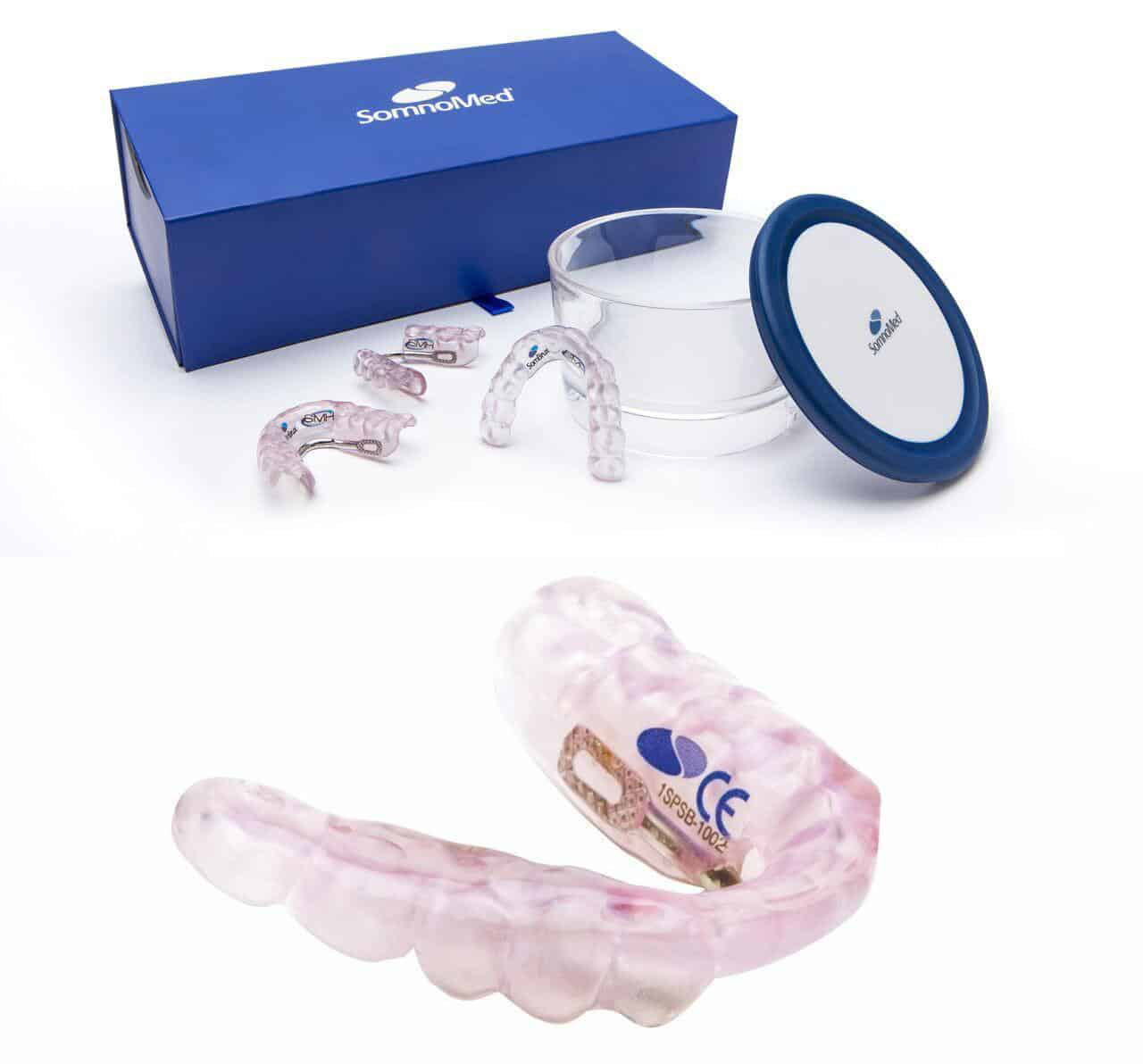
Close monitoring of a sleep appliance is mandatory.
CPAP
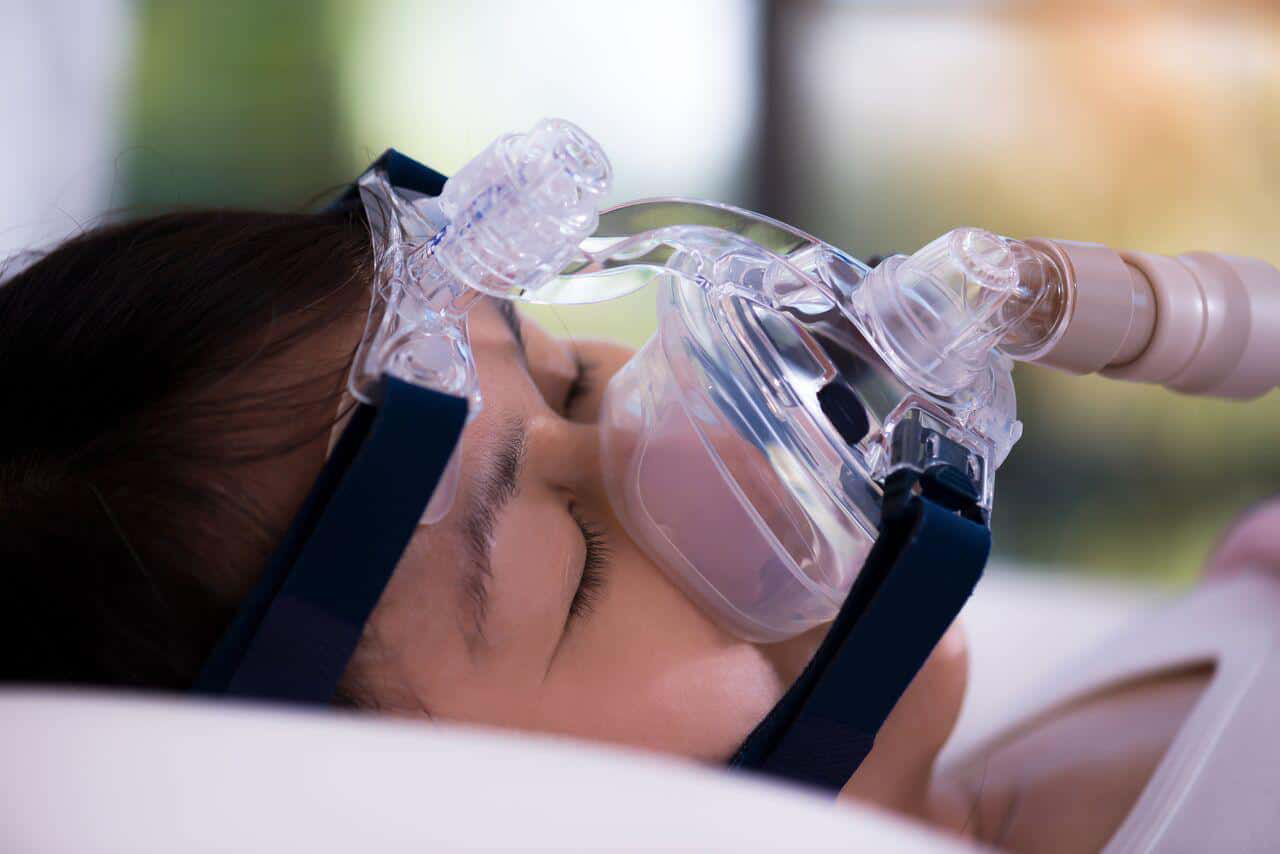
The CPAP system uses compressed air forced through a mask worn by the patient on the nose or the face. The mask must be throughout the entire night and for every night for life, which is difficult to do.
CPAP is effective only if the mask is worn, and only 34% of patients do so.
Common reasons for poor compliance with CPAP include:
- nasal problems
- mask problems
- equipment problems
Sleep Assessment Tests
Home Sleep Tests
Watch PAT
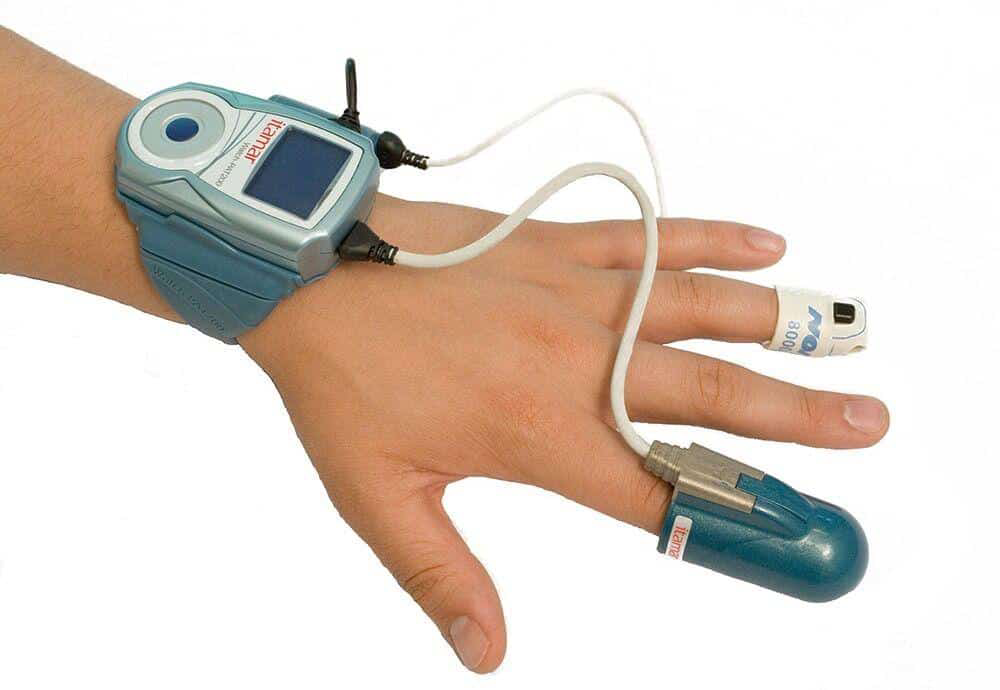
The Watch PAT is a USFDA and Singapore HSA-approved home sleep apnea test system.
Watch PAT results have been shown to mirror hospital sleep testing very closely.
NightOwl
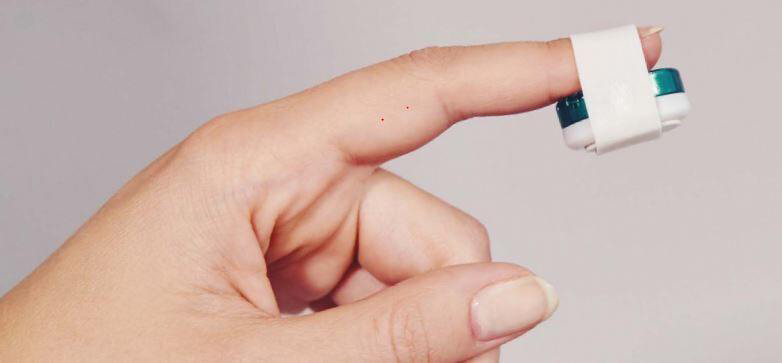
The NightOwl is currently the world’s smallest home sleep apnea test.
The NightOwl system consists of a small sophisticated sensor which is placed on the fingertip and the cloud-based NightOwl software. The NightOwl sensor is able to measure all parameters recommended by The American Association for Sleep Medicine (AASM) Manual for the Scoring of Sleep and Associated Events for home sleep apnea testing.
The test results will be interpreted and this will be used to see if you require more extensive sleep testing (polysomnography).
Hospital Sleep Tests
Polysomnography measures multiple parameters such as brain wave activity, muscle activity, eye movement during sleep etc.
Although the in hospital overnight sleep test is the most comprehensive, there are some drawbacks:
- high cost,
- long waiting lists,
- intensive labor requirements (requiring a sleep technician overnight),
- difficulties for elderly or very ill patients to travel to the hospital and spend the night in the sleep laboratory,
- many patients often find the equipment too cumbersome and
- the first night effect (due to new environment, patients might not be able to sleep at all)
Due to these short-comings, it is better that patients have their sleep monitored at home to start.
Snoring and Sleep Apnea Management at Elite Dental Group Singapore
Step 1: Assessment
Breathing patterns and tooth wear rate is assessed as part of the new patient examination and active maintenance. Your nose, sinus abnormalities and lower jaw disproportion can be assessed on dental x-rays.
Further testing will then be done to assess the severity of your condition. A home sleep test (Watch PAT/ NightOwl) may be prescribed.
Step 2: Making and fitting of your oral appliance
If you have been advised that you only require a customized oral appliance, molds of your teeth and bite records will be made.
Once made, the appliance will then be fitted and adjusted, to ensure maximum comfort. Expect a period of adjustment when you first start using the appliance. It is common to experience difficulties falling asleep, increased salivation and mouth dryness. Several adjustment visits may be needed to fine tune the appliance.
Sleep testing may be repeated to monitor treatment effectiveness.
Topics
- Sleep Apnea Causes
- Snoring from Obstructive Sleep Apnea (OSA)
- How do I know whether I have Obstructive Sleep Apnea (OSA)?
- Is sleep apnea dangerous?
- How is sleep apnea treated?
- Non Surgical Management
- CPAP
- Sleep Assessment Tests
- Hospital Sleep Tests
- Snoring and Sleep Apnea Management at Elite Dental Group Singapore
- Faq
Frequently
Asked
Questions
Got questions? We’ve got answers! Check out our FAQ section for common inquiries and helpful information to guide you.
What is sleep apnea and how does it relate to dental health?
Obstructive sleep apnea (OSA) is a sleep disorder characterized by repeated pauses in breathing or reduced airflow during sleep, occurring at least 5 times per hour, often accompanied by drops in oxygen levels and disrupted sleep. Sleep apnea can significantly impact oral health. Research shows that patients with OSA have an increased risk of periodontitis (gum disease), with studies demonstrating a 2.3-fold higher prevalence of periodontitis in OSA populations compared to those without OSA. Additionally, OSA is associated with increased dental pain, chewing discomfort, and changes in oral bacteria composition.
The connection between OSA and oral health is bidirectional. Mouth breathing, a common feature of OSA, can lead to dry mouth, altered oral pH, increased harmful bacteria, and greater plaque accumulation. Dentists play an important role in screening patients for OSA risk factors such as retrognathia (receding jaw), enlarged tongue, high arched palate, and other anatomical features that may contribute to airway obstruction.
What are oral appliances for sleep apnea?
Oral appliances for sleep apnea are custom-made dental devices worn during sleep to maintain upper airway patency by advancing the lower jaw forward, thereby increasing airway dimensions and reducing airway collapsibility. The most common type is the mandibular advancement device (MAD), also called a mandibular advancement splint or oral appliance therapy (OAT).
These devices work by positioning the mandible (lower jaw) in a forward and downward direction away from its natural resting position, which opens the pharyngeal airway and prevents it from collapsing during sleep. Oral appliances are considered the leading alternative to continuous positive airway pressure (CPAP) therapy and are recommended for patients with mild-to-moderate OSA, or for those with severe OSA who cannot tolerate or refuse CPAP.
How effective are oral appliances for treating sleep apnea?
Oral appliances are effective in reducing the apnea-hypopnea index (AHI) and improving sleep apnea symptoms, though they are generally less effective than CPAP in reducing AHI.
Importantly, while CPAP is more efficacious in reducing AHI, oral appliances demonstrate equivalent outcomes to CPAP for key health measures including sleepiness, quality of life, blood pressure reduction, and neurocognitive function. This may be due to better patient adherence and preference for oral appliances compared to CPAP. Custom-made, titratable devices (allowing progressive jaw advancement) show better results than ready-made devices.
Who is a good candidate for oral appliance therapy?
Oral appliances are recommended for adults with mild-to-moderate OSA, or for patients with severe OSA who cannot tolerate or refuse CPAP therapy.
Ideal candidates include patients in whom OSA is primarily due to anatomically narrowed upper airways. Patients with milder OSA and those who demonstrate increased upper airway size with mandibular advancement are most likely to experience treatment success. Oral appliances may also be preferred when lifestyle or profession requires frequent travel to locations where electricity for CPAP is unavailable.
Contraindications include active temporomandibular disorder (TMD), insufficient teeth to retain the device, and severe periodontal disease. A dental evaluation is essential to determine suitability.
What are the side effects of oral appliances?
Common side effects of oral appliances include temporomandibular joint discomfort, tooth pain, excessive salivation, dry mouth, jaw muscle soreness, and difficulty chewing in the morning. Most side effects are dental in nature and generally mild.
Long-term use can result in dental changes, particularly decreased overbite and overjet (approximately 1-2mm over 2 years), though these changes are generally small. The frequency and severity of side effects may be related to nightly wear duration and the degree of mandibular advancement. Importantly, side effects serious enough to cause discontinuation are less common with oral appliances than with CPAP. Regular dental monitoring is essential to minimize adverse effects and detect occlusal changes early.
HOW CAN WE
HELP?
Heading to a dental clinic can be a scary and almost overwhelming experience. If you have landed on our website, we would like to extend our warmest welcome to you and your family. There is nothing to fear!
If you require more information about our costs or are looking for ways to save money on dental treatments, arrange for a consultation with our dentists at a time of your convenience.
 Elite Dental Group