Scaling and polishing
Teeth cleaning and polishing removes plaque, tartar, and surface stains that cannot be cleared through daily brushing alone.
Dental Scaling & Polishing
Regular professional cleaning (scaling and polishing) is essential in keeping your teeth as clean as possible. While daily brushing and flossing are no less important, there may be certain areas of the mouth that are hard to reach. Plaque and tartar tend to build up in these hard-to-reach areas.
Some of our patients have mentioned that they have avoided the dentist for a long time because the scaling and polishing visits are often uncomfortable and with lots of sensitivity and bleeding.
Let us reassure you that we will do all that we can to be as gentle as possible and to take into account any negative or traumatic experiences you may have had with scaling done at your previous dentist.
Scaling and polishing is part of your active maintenance visits at Elite Dental.

What are the benefits of scaling & polishing?
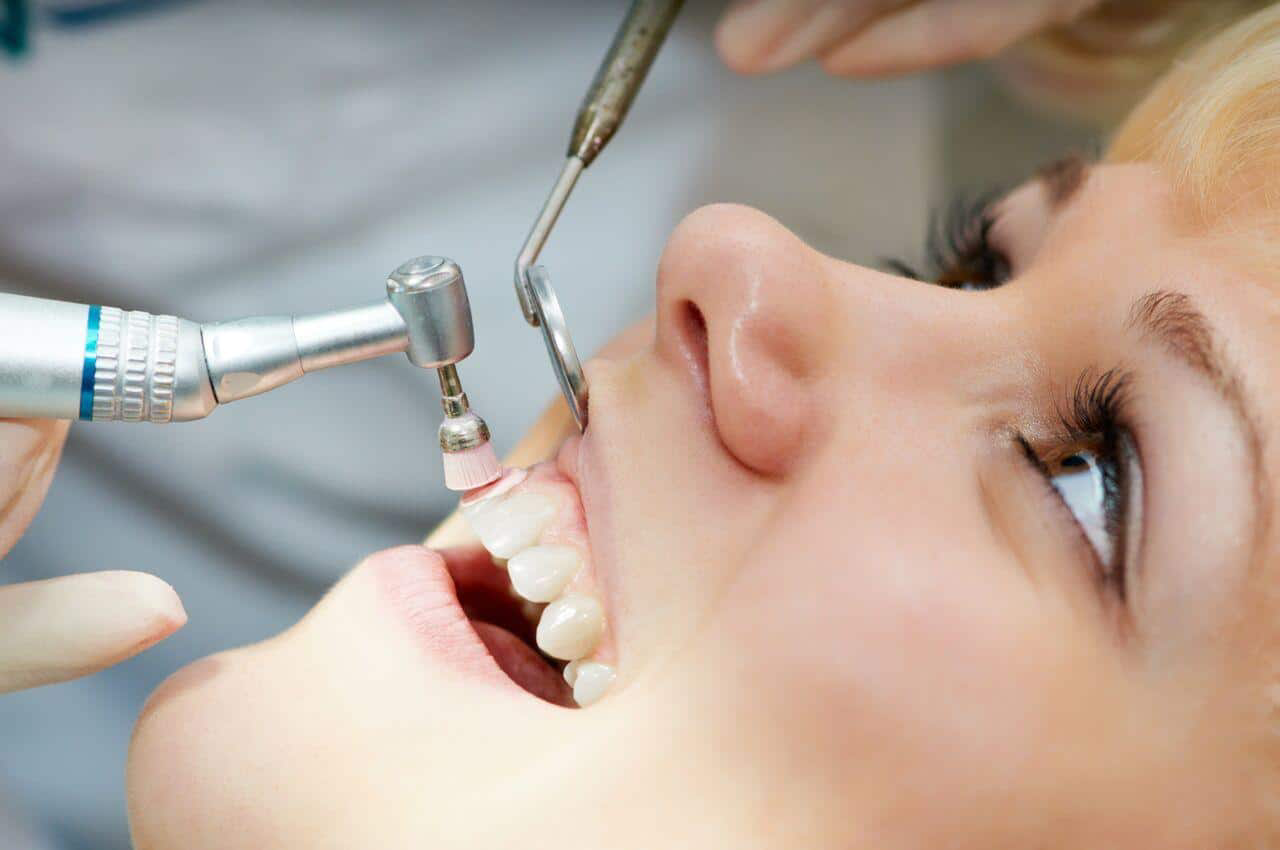
Scaling helps to remove plaque, food debris and tartar (calcified plaque, almost like how fossils are formed!) that have built up on your teeth over time. If left to accumulate, these bacterial deposits can cause cavities and swollen, bleeding gums. Polishing helps to remove external stains (from coffee, tobacco, red wine or food) from the surfaces of your teeth.
How is teeth whitening different from polishing?
Teeth whitening is a cosmetic procedure that changes the internal colour of the teeth. Polishing, however, simply removes the stains on the external surfaces of the teeth. For discoloured teeth that persist despite polishing, ZOOM teeth whitening and/or porcelain veneers can mask the discolouration.
How often should we have our teeth professionally cleaned?
Active maintenance visits should take place every four to six months. These visits are also important for monitoring dental conditions such as early decay that is painless. If you have been treated for gum disease or had extensive dental treatment, maintenance may need to be as frequent as 3 months.

Why Scaling and Polishing Is Important
Reduces gum inflammation
Teeth scaling and polishing removes plaque and hardened tartar along the gumline, where bacteria commonly accumulate. This helps reduce gum inflammation, particularly in patients with gingivitis or periodontitis.
Improves how your teeth look
Surface stains from food, drinks, or smoking can dull the appearance of teeth. Scaling and polishing helps smooth the tooth surface and remove these stains, leaving teeth looking cleaner and more even in colour.
Freshens breath
Bacteria trapped in plaque and tartar can cause persistent bad breath. Regular dental cleaning helps remove these sources, supporting fresher breath and a more comfortable mouth feel.
Frequently
Asked
Questions
Got questions? We’ve got answers! Check out our FAQ section for common inquiries and helpful information to guide you.
What is scaling and polishing?
Scaling and polishing is a professional dental cleaning procedure that removes plaque, calculus (tartar), debris, and staining from tooth surfaces. Scaling is the first step, where a dental hygienist or dentist uses small metal tools or ultrasonic instruments to scrape plaque and tartar from your teeth, including areas below the gumline. Polishing follows, using a device similar to an electric toothbrush with a rubber tip and a slightly gritty paste to smooth and brighten tooth surfaces. This procedure is also referred to as prophylaxis, professional mechanical plaque removal, or periodontal instrumentation.
Why do I need scaling and polishing?
Scaling and polishing helps remove calculus (tartar) that cannot be eliminated by regular brushing and flossing alone. Plaque is a film of bacteria that coats your teeth after eating, and while brushing and flossing remove most of it, some remains. If plaque builds up, it hardens into tartar, which can only be removed by professional dental scaling. Tartar buildup along the gumline causes red, swollen gums (gingivitis), which can progress to more serious gum infections and tooth loss if left untreated.
The primary goal is to remove local irritational factors and create a cleaner oral environment. For patients with periodontal disease, scaling and root planing (a deeper cleaning) removes subgingival calculus and biofilm deposits to create a biologically compatible root surface and reduce inflammation.
Is scaling and polishing painful?
Most patients experience limited to mild pain during scaling and polishing. The procedure itself is generally well-tolerated, though some discomfort may occur, particularly in areas with gum inflammation or sensitivity.
Ultrasonic scalers tend to cause less pain than hand instruments. If you’re concerned about discomfort, topical anaesthetic gels can significantly reduce pain during the procedure. Factors associated with increased postoperative pain include smoking, severe periodontal inflammation, and dental anxiety.
What can I expect during the procedure?
During a typical scaling and polishing appointment, the dental hygienist will first perform scaling using small metal tools or ultrasonic instruments to remove plaque and tartar from your teeth, including below the gumline. This is followed by polishing with a rotating rubber tip and slightly gritty paste to smooth tooth surfaces. The hygienist will then floss your teeth.
When needed, fluoride treatment or dental sealants may be applied. The hygienist or dentist may also provide tips on proper brushing and flossing techniques. The entire procedure is typically performed in one visit, though more extensive cleaning for periodontal disease may require multiple appointments.
Will my teeth be sensitive after scaling and polishing?
Some patients experience temporary tooth sensitivity following scaling and polishing, particularly if significant calculus removal was needed or if there was pre-existing gum inflammation. This sensitivity typically resolves within a few days to weeks. Dentine hypersensitivity is one of the commonly reported side effects of nonsurgical periodontal therapy.
If you experience persistent sensitivity, inform your dentist, as desensitizing toothpastes or other treatments may help. The level of sensitivity can vary depending on the extent of cleaning required and individual factors.
HOW CAN WE
HELP?
Heading to a dental clinic can be a scary and almost overwhelming experience. If you have landed on our website, we would like to extend our warmest welcome to you and your family. There is nothing to fear!
If you require more information about our costs or are looking for ways to save money on dental treatments, arrange for a consultation with our dentists at a time of your convenience.
Related Dentistry Services
Click To Find Out More
Tooth Extraction
Removal of severely damaged or decayed teeth when preservation is no longer possible.
Click To Find Out More
Smile Makeover
A personalised dental treatment plan that combines multiple cosmetic procedures to enhance tooth shape, colour, alignment, and overall smile aesthetics.
Click To Find Out More
Dental Implant
A long-term solution for replacing missing teeth. Tooth implants restore function and appearance by anchoring a replacement tooth securely into the jawbone.
Click To Find Out More
Root Canal Treatments
Treatment for infected or inflamed tooth pulp. Root canal therapy helps save the natural tooth while helping to relive pain and prevent further complications.
Click To Find Out More
Dental Crown
A protective cap placed over a weakened or heavily restored tooth. Dental crowns help restore tooth strength, function, and natural appearance.
Click To Find Out More
Dental Filling
Used to repair teeth affected by decay, wear, or minor fractures. Dental fillings restore the tooth’s structure and function while helping to prevent further damage or sensitivity.
Click To Find Out More
Wisdom Tooth Extraction
Removal of impacted or problematic wisdom teeth to relieve pain, reduce infection risk, and prevent damage to surrounding teeth.
Click To Find Out More
Mercury Fillings Removal
Removal and replacement of old amalgam (mercury) fillings with modern tooth-coloured materials. This helps restore aesthetics and supports a more uniform, natural-looking smile.
Click To Find Out More
All-on-4 Implants
A full-arch tooth replacement option supported by four implants. Suitable for patients with extensive tooth loss who want a fixed and stable smile.
 Elite Dental Group