
Invisalign
A system of digitally-designed clear removable aligners to straighten teeth.
What is Invisalign® ?
Invisalign is a system of digitally-designed clear removable aligners to straighten teeth.
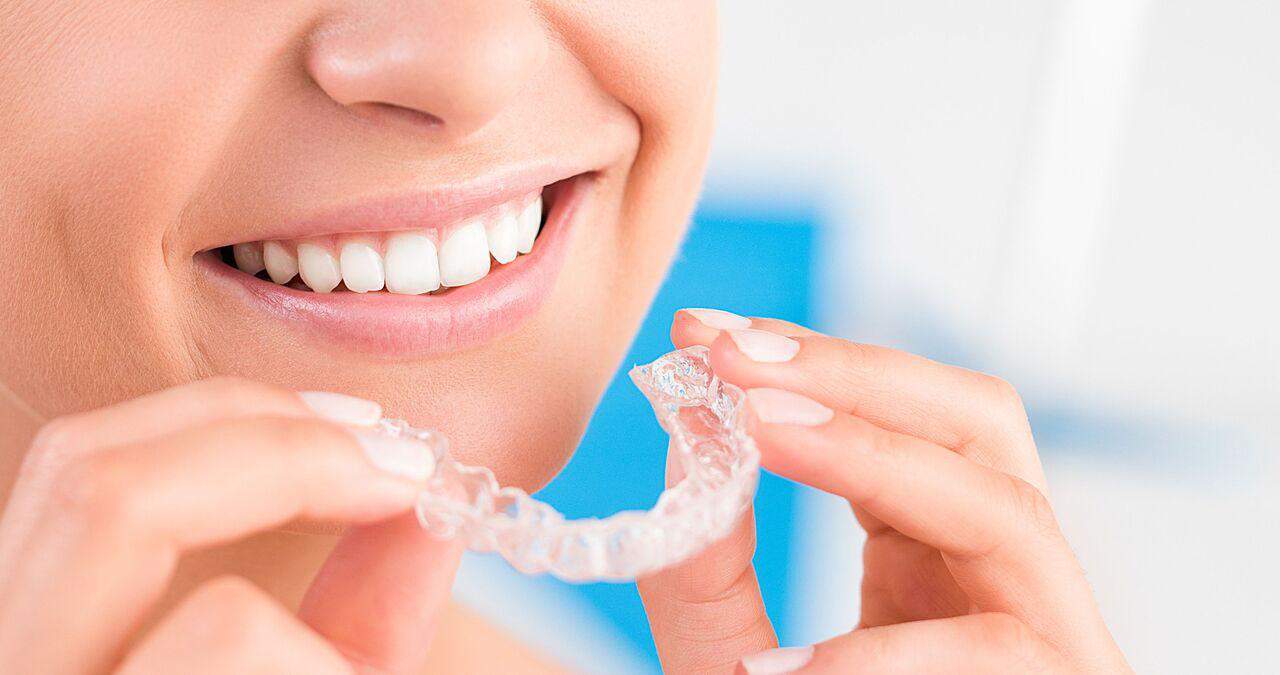
How does Invisalign work?
A set of moulds/digital scans of your teeth are taken to create your virtual Invisalign treatment plan (Clincheck). The Clincheck shows the tooth movements required for overall teeth alignment in a virtual 3D simulation. This is previewed BEFORE starting your treatment.
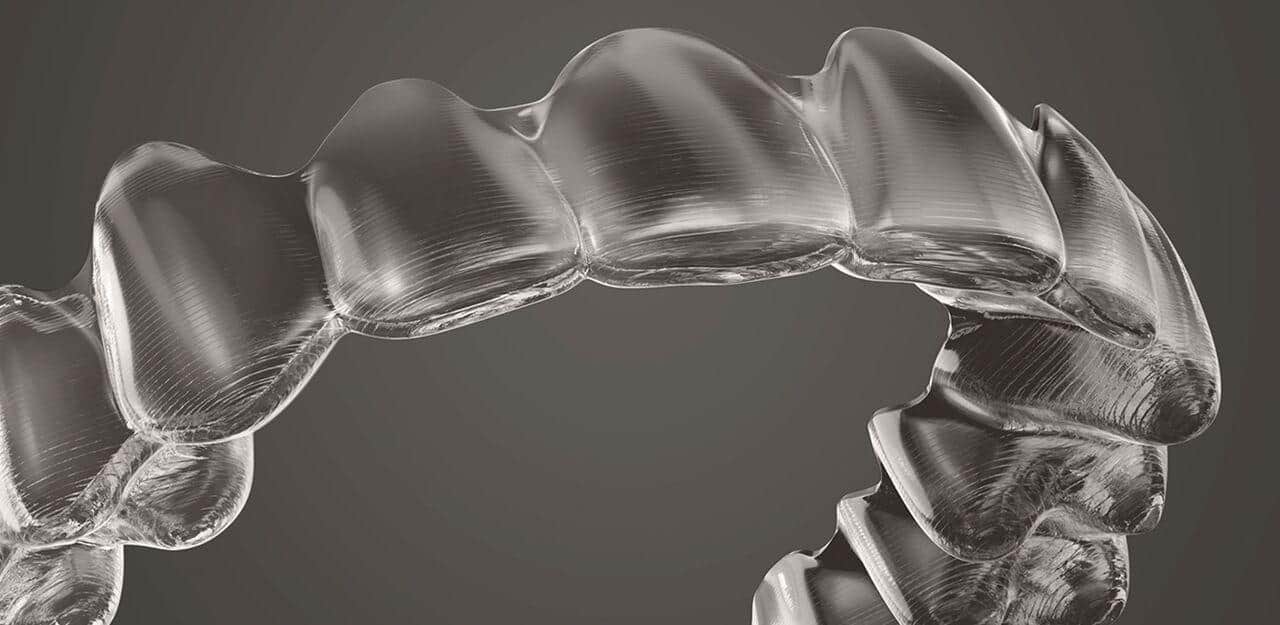
A series of customised clear aligners based on the Clincheck stages are worn to gradually move your teeth. Each aligner is slightly different from the last.
How long does Invisalign treatment take to complete?
Treatment duration depends on the case. The average Invisalign treatment in Singapore runs for about 20-30 months because of the nature of orthodontic problems in the population which is distinct from cases done in the USA and Europe.
What is the Invisalign treatment process like?
Step 1: Consultation & Assessment
During your initial consultation, we will first discuss your treatment goals with you. A clinical assessment is also done to ensure that you are suitable for Invisalign. Following the assessment, photos, moulds and X-rays of your teeth will be taken to design your treatment plan.
Step 2: Virtual Treatment Plan (Clincheck)
The photos, moulds and x-rays will be sent to Invisalign to create a virtual 3-D model of your teeth as well as to plan the tooth movements required at each treatment stage. This virtual 3D simulation is called a Clincheck. Once the Clincheck has been explained to you and approved, your unique Invisalign aligners will be printed and shipped to our practice.
Step 3: Wearing aligners
You are required to wear your aligners for 20 to 22 hours daily. Aligners are NOT worn during meals and NOT worn for flossing/brushing. Compliance with aligner wear is crucial for treatment success.
At your first visit, you will have customised attachments glued on to your teeth, called attachments. These attachments help by improving the grip and fit of the aligners onto your teeth to help your teeth to move.
You will need to change your aligners as directed by your dentist. Each set of aligners will gently and gradually shift your teeth into place, until your ideal smile is achieved.
You will be monitored during the Invisalign treatment process. Monitoring visits take place every 6-8 weeks.
Step 4: Completing treatment
Once you have reached the end of your Invisalign treatment, the attachments are removed from your teeth and a set of removable retainers will be made.
Retainers help prevent relapse (where the teeth shift after alignment is complete). Relapse can occur very soon after stopping treatment or occur many years later.
What are some alternatives to Invisalign?
If you are looking for alternatives to Invisalign, either because of budget constraints or simply because you would like to find out your treatment options, here are some recommended and performance-worthy alternatives suggested by Dr Amanda Koh:
- Braces
- Angel Aligners
- Dental veneers
Invisalign vs Braces
Is Invisalign just as good as braces?
| Invisalign clear aligners | Conventional Wire Braces | |
|---|---|---|
| Appearance | Clear/Invisible | Metal or ceramic braces cemented on the teeth, with metal wire/coated aesthetic wires |
| Treatment Time | Invisalign takes a slightly longer duration to complete compared to conventional braces. Some patients may need sectional braces to assist in the finishing stages of Invisalign. | Braces may take a slightly shorter duration to complete as compared to Invisalign. Braces are useful for extraction cases or treating very complex problems. Some patients may need sectional braces to assist in the finishing stages of Invisalign. |
| Maintenance | Easy maintenance. Teeth: Brush and floss teeth normally as aligners are removable. Aligners: Brush aligners to keep them clean. | More difficult to maintain. Teeth: Thorough brushing and flossing is required. Braces: Brackets and wires must be thoroughly cleaned to prevent plaque buildup. |
| Visits to the dentist for review | Aligner trays are changed every 2 weeks. Monitoring visits every 6-8 weeks | Adjustment visits every 3-4 weeks |
| Comfort | Relatively comfortable | Less comfortable as the brackets/wires may cause abrasions and ulcers. Ceramic brackets are more bulky and may interfere with your bite. |
| Personal commitment | More commitment required. To ensure optimal results, patients must wear the aligners for 20-22 hours/day | Lower commitment required. The braces are not removable. |
| Cost | Higher cost due to lab fees and digital planning | Lower cost/more affordable |
| Retainer required? | Yes, you are required to wear retainers | Yes, you are required to wear retainers |
Is Invisalign better?
Invisalign has a number of advantages for patients:
- More aesthetically-pleasing, good for patients who have to look presentable in their line of work
- Invisible
- Removable
- No issues with food getting caught in brackets
- No difficulty eating
- No discomfort from wires/brackets

Frequently
Asked
Questions
Got questions? We’ve got answers! Check out our FAQ section for common inquiries and helpful information to guide you.
What is Invisalign?
Invisalign is a clear aligner orthodontic treatment system that uses a series of removable, transparent plastic trays to gradually straighten teeth. Unlike traditional metal braces with brackets and wires, Invisalign aligners are custom-made using computer-aided design and manufacturing technology based on digital scans of your teeth. Each aligner is worn for a specific period (typically 7 to 14 days) before progressing to the next one in the series, with each successive aligner moving your teeth incrementally toward their desired positions.
Who is a good candidate for Invisalign?
Invisalign is most effective for treating mild to moderate malocclusions in adults and adolescents with fully erupted teeth. The system works particularly well for cases involving mild to moderate crowding, spacing issues, and anterior crossbite.
Invisalign handles simple to moderate non-extraction cases better than extraction cases. The system may be less suitable for severe malocclusions, complex cases requiring significant root movement, cases with impacted teeth, or patients with severe skeletal problems. Certain tooth movements are more challenging with aligners, including extrusion (moving teeth downward out of the bone) and achieving precise root positioning, which orthodontists rank as the most difficult movements to accomplish.
How long does Invisalign treatment take?
The average Invisalign treatment duration is approximately 17 to 23 months, though this varies significantly based on case complexity.
Treatment duration increases with the number of refinements (additional sets of aligners needed to fine-tune results). Most patients require an average of 2 to 3 refinement scans during treatment. The average number of aligners used is approximately 64, though this can vary from as few as 14 to over 80 depending on case complexity. For mild cases with minimal crowding, treatment may be completed in as little as 14 months, while more complex cases may require two years or more.
How many hours per day do I need to wear my aligners?
Invisalign aligners should be worn for 22 hours per day for optimal results, removing them only for eating, drinking (except water), and oral hygiene. Patient compliance with this wear time is critical to treatment success. Studies using electronic monitoring show that actual wear time is often less than prescribed, with median wear times ranging from 9 to 12 hours per day in some patient populations.
Research comparing different wear protocols found that while a 12-hour daily wear protocol can achieve adequate alignment in the upper jaw for very mild crowding cases, correction of lower jaw irregularity is significantly less efficient compared to the standard 22-hour protocol. A 7-day aligner change protocol (wearing each aligner for 7 days) achieved clinically similar accuracy to a 14-day protocol but in approximately half the treatment time, suggesting that consistent daily wear is more important than the duration each aligner is worn.
What are the advantages of Invisalign?
The primary advantages of Invisalign include superior aesthetics, removability for eating and oral hygiene, improved comfort, and better periodontal health during treatment. The clear aligners are virtually invisible, making them aesthetically ideal for adults and image-conscious adolescents.
Because aligners are removable, patients can maintain normal eating habits without dietary restrictions and can brush and floss normally, leading to better oral hygiene compared to fixed braces.
HOW CAN WE
HELP?
Heading to a dental clinic can be a scary and almost overwhelming experience. If you have landed on our website, we would like to extend our warmest welcome to you and your family. There is nothing to fear!
If you require more information about our costs or are looking for ways to save money on dental treatments, arrange for a consultation with our dentists at a time of your convenience.
 Elite Dental Group